
Crochet is a soothing and rewarding craft, especially for beginners looking to create something beautiful with their hands. If you’re just starting your crochet journey, one of the first stitches you need to master is the single crochet stitch (SC). This stitch is a fundamental building block for countless projects, from cozy blankets to stylish accessories. In this guide, you’ll learn everything you need to know about single crochet, including how to work it step by step, common mistakes to avoid, and why it’s an essential part of your crochet skills.
What is a Single Crochet Stitch?
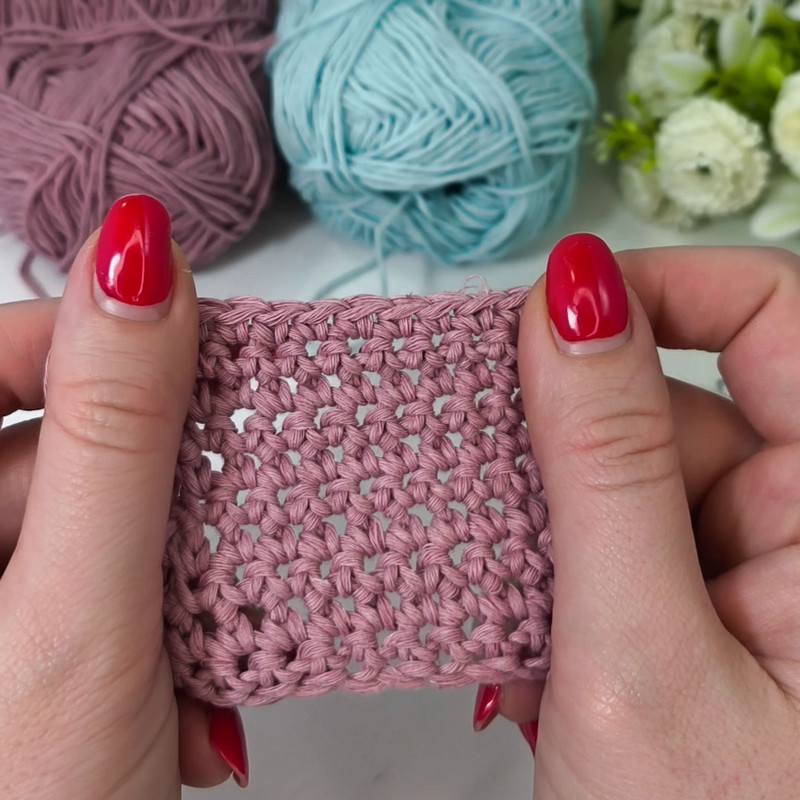
The single crochet (SC) is one of the simplest and most widely used crochet stitches. It creates a firm, dense fabric, making it perfect for projects that require structure, such as beginner crochet blankets, washcloths, and amigurumi. This stitch is a favorite among beginners because it’s easy to learn, versatile, and provides a clean, polished look.
Materials Needed
Before getting started, make sure you have the right tools:
- Yarn – A smooth, medium-weight yarn is best for beginners.
- Crochet Hook – A 5.0 mm (H-8) hook works well for most worsted-weight yarns.
- Scissors – To trim the yarn when needed.
- Tapestry Needle – Useful for weaving in ends.
How to Make a Single Crochet Stitch
Follow these step-by-step instructions to create a perfect single crochet stitch:
Start with a Foundation Chain
- Begin by making a chain of any number of stitches. Add one extra chain for turning.
Insert Your Hook
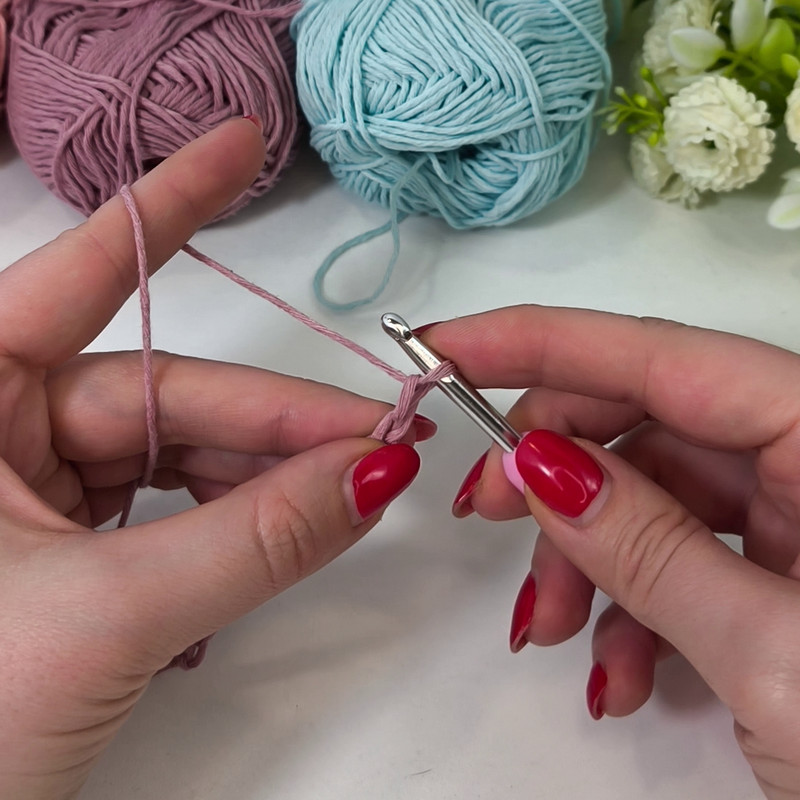
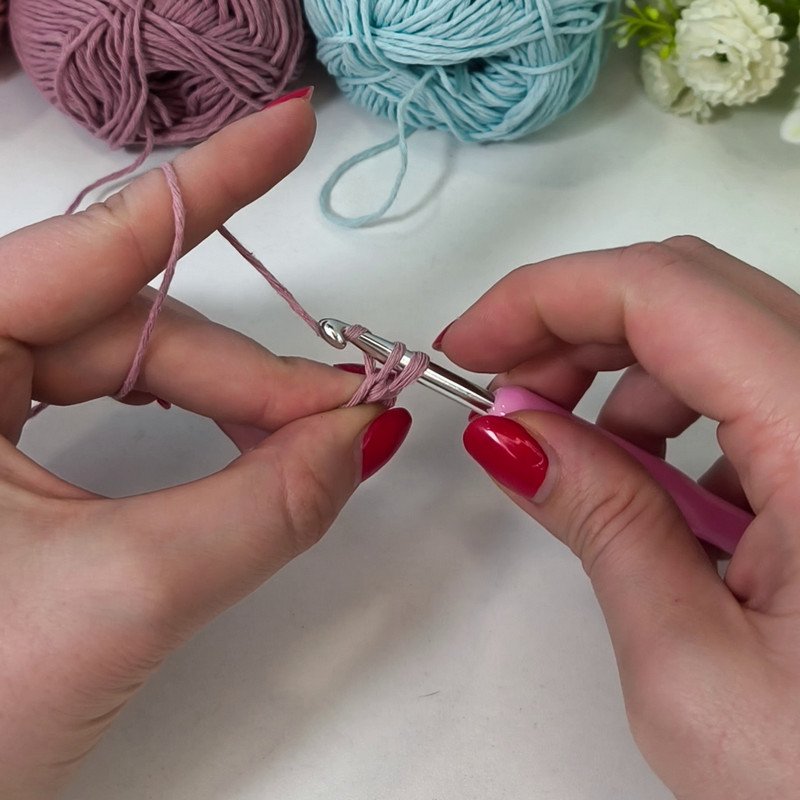
- Skip the first chain from the hook and insert your crochet hook into the second chain.
Yarn Over (YO) and Pull Through
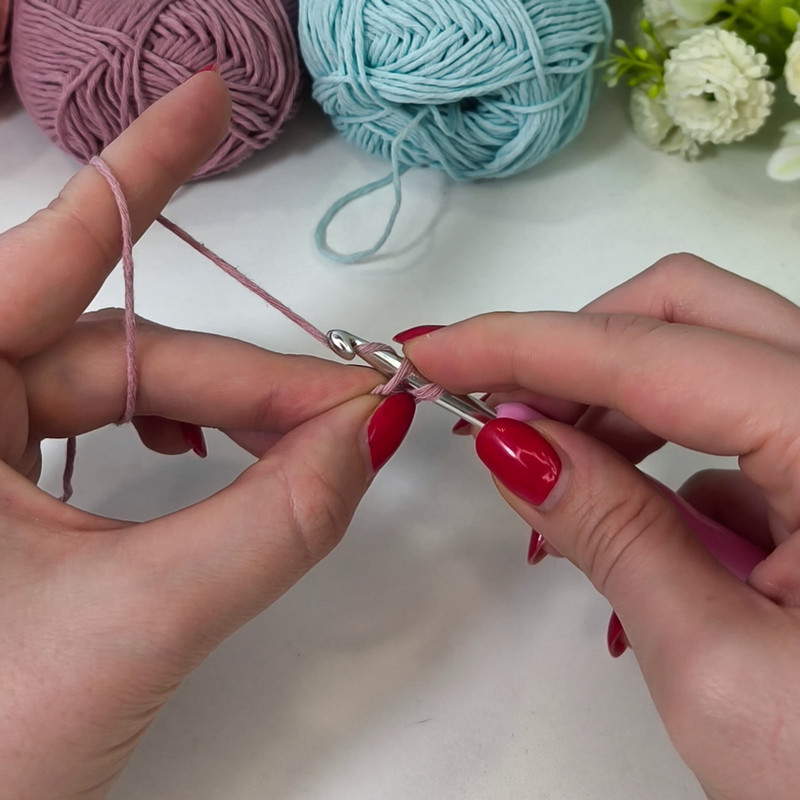
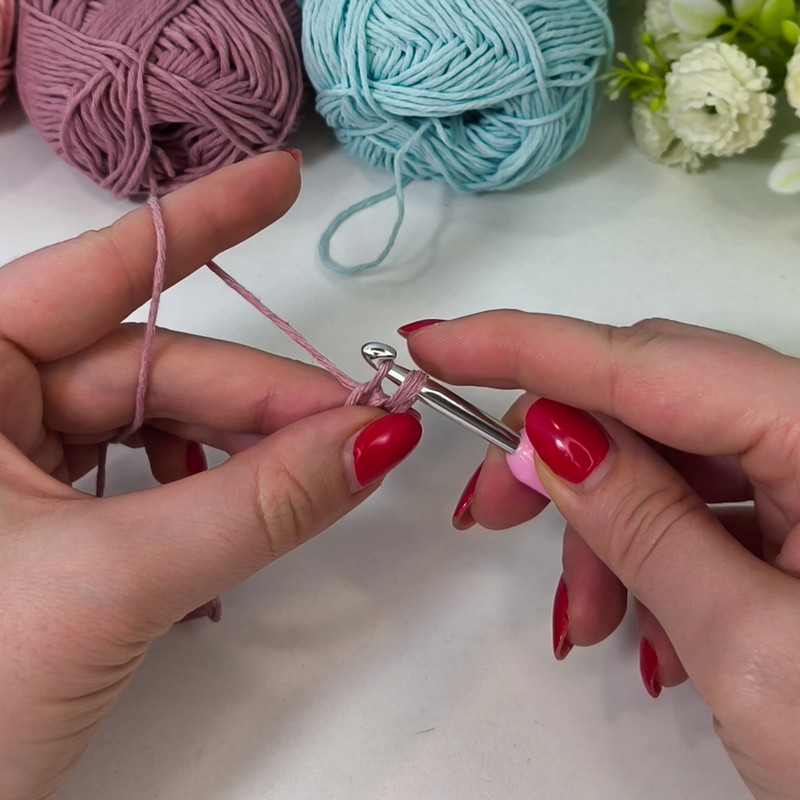
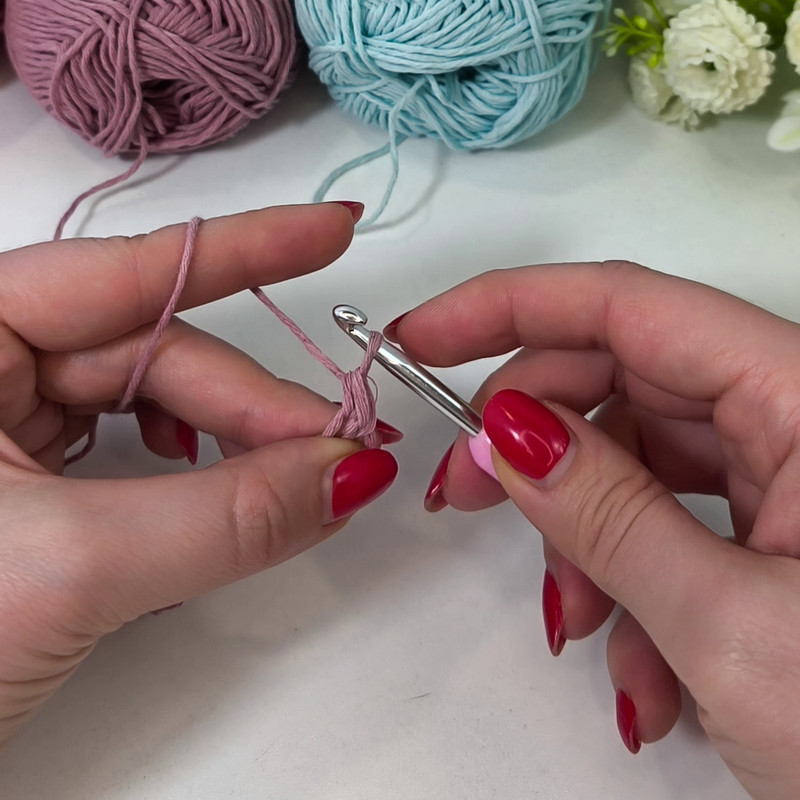
- Wrap the yarn over the hook and pull it through the chain stitch. You should now have two loops on your hook.
Yarn Over Again and Complete the Stitch
- Wrap the yarn over the hook once more and pull it through both loops on the hook.
Repeat Across the Row
- Continue inserting your hook, yarning over, and pulling through both loops until you reach the end of the row.
Turning Your Work
- To start a new row, chain one (this does not count as a stitch), turn your work, and begin single crocheting into each stitch across.
Common Mistakes and How to Fix Them
- Tension Issues – If your stitches are too tight, try loosening your grip on the yarn. If they’re too loose, adjust your yarn tension for a more even look.
- Skipping Stitches – Always count your stitches at the end of each row to ensure consistency.
- Uneven Edges – Make sure to insert your hook into the correct stitch at the beginning and end of each row to keep the edges straight.
Why You Should Master the Single Crochet Stitch
The single crochet stitch is more than just a basic stitch—it’s an essential skill that allows you to work on a wide variety of crochet projects. Whether you’re creating beginner-friendly crochet blankets, textured scarves, or simple dishcloths, mastering the SC stitch gives you the foundation needed to tackle more advanced patterns.
For more visual guidance, check out this YouTube search for single crochet stitch tutorials.
Popular Uses of the Single Crochet Stitch
- Beginner Crochet Blankets – Provides a solid and structured base for simple and cozy projects.
- Amigurumi (Crochet Toys) – The tight, dense fabric prevents stuffing from showing through.
- Washcloths & Dishcloths – Great for making durable and absorbent kitchen essentials.
- Simple Crochet Accessories – From scarves to beanies, SC is often used in quick and easy patterns.
- Textured Crochet Patterns – When combined with other stitches, SC helps create interesting textures.
Next Steps in Your Crochet Journey
Now that you’ve mastered the single crochet stitch, you can explore more advanced techniques such as the half-double crochet (HDC) and double crochet (DC) stitches. With practice, patience, and creativity, you’ll soon be making stunning crochet pieces that bring both beauty and serenity to your craft.
For more beginner-friendly crochet tutorials and patterns, visit our blog Blooming with Crochet!
Happy Crocheting! 🧶
Leave a Reply