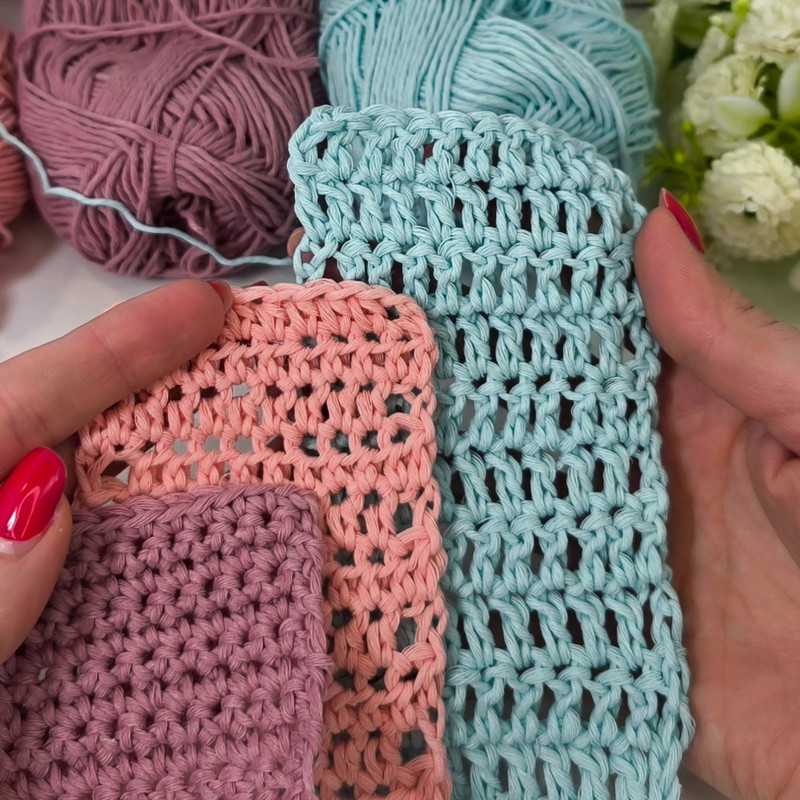
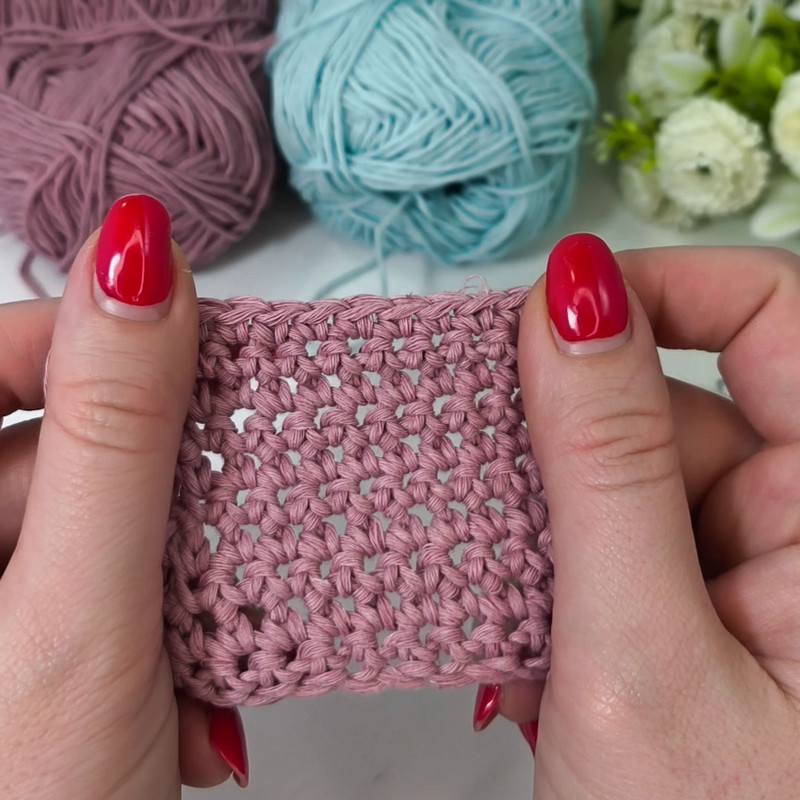
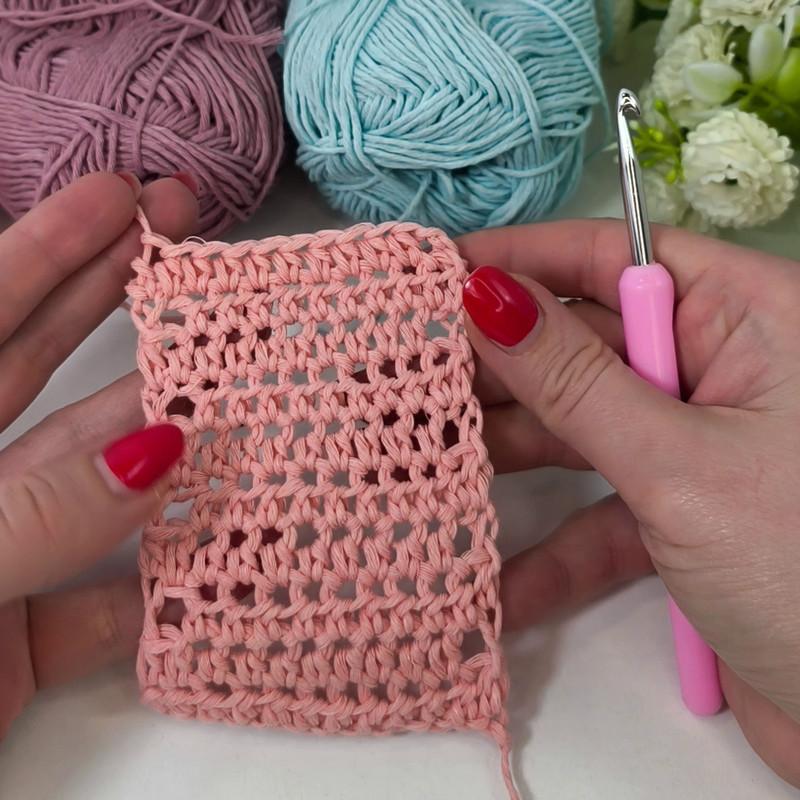
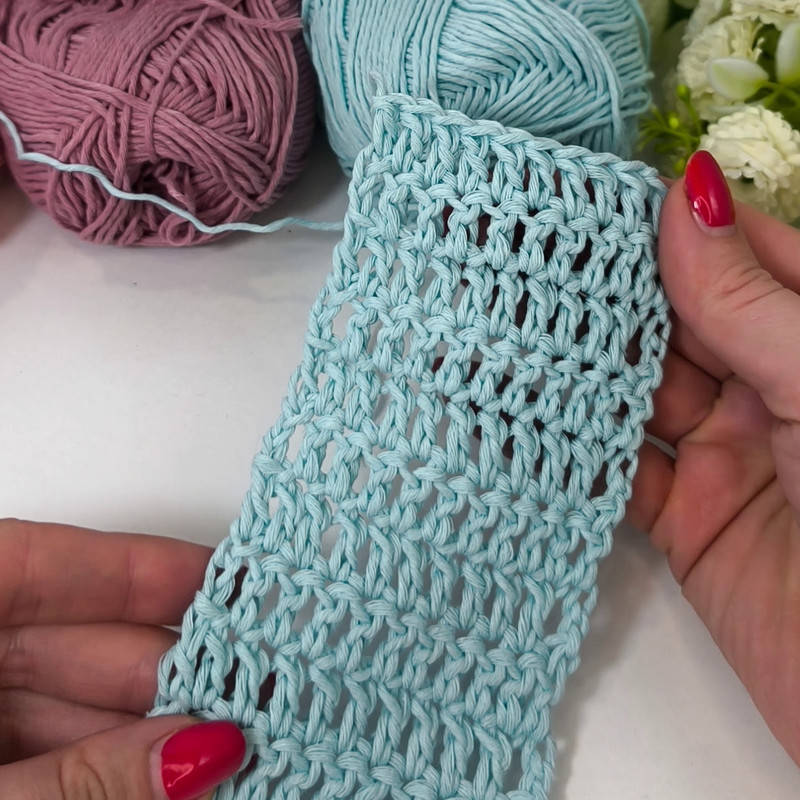
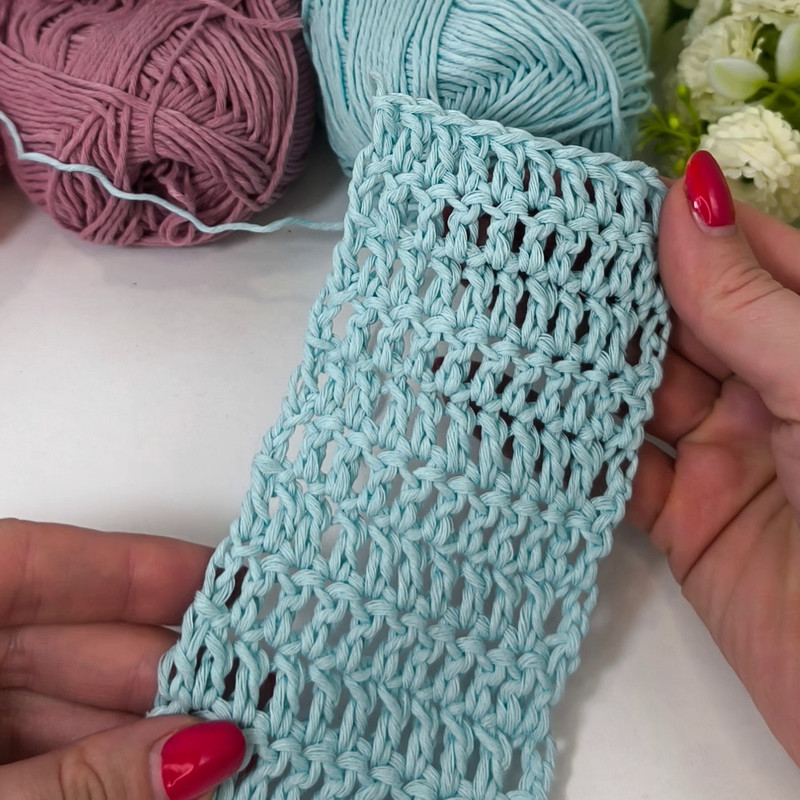
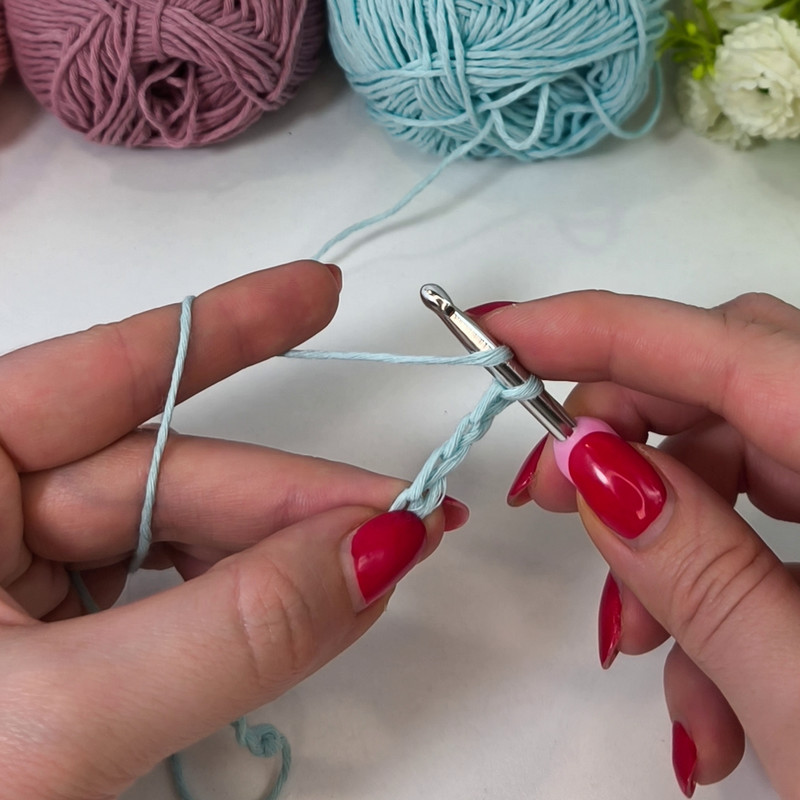
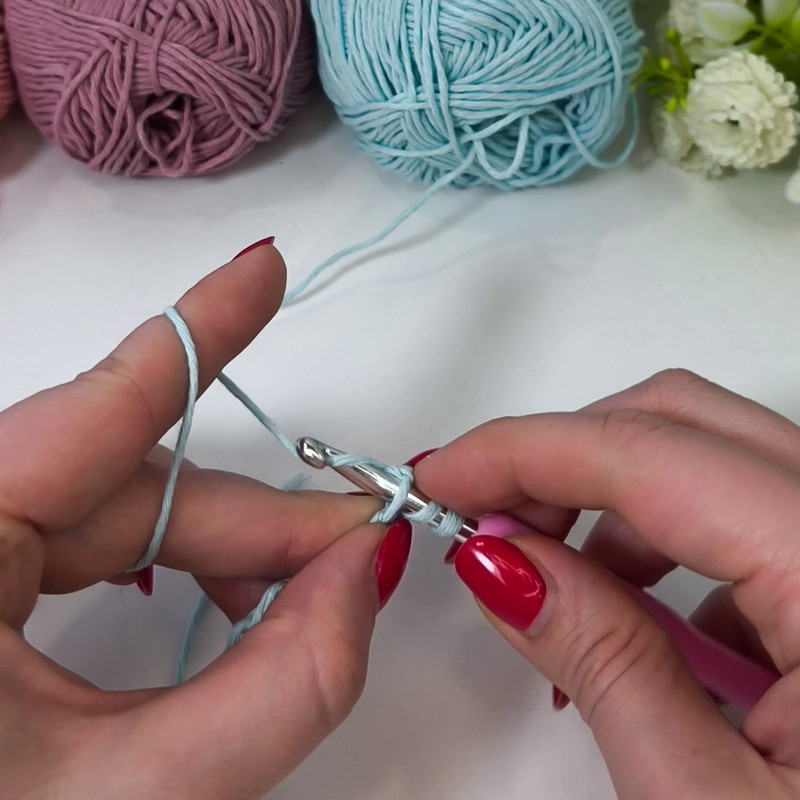
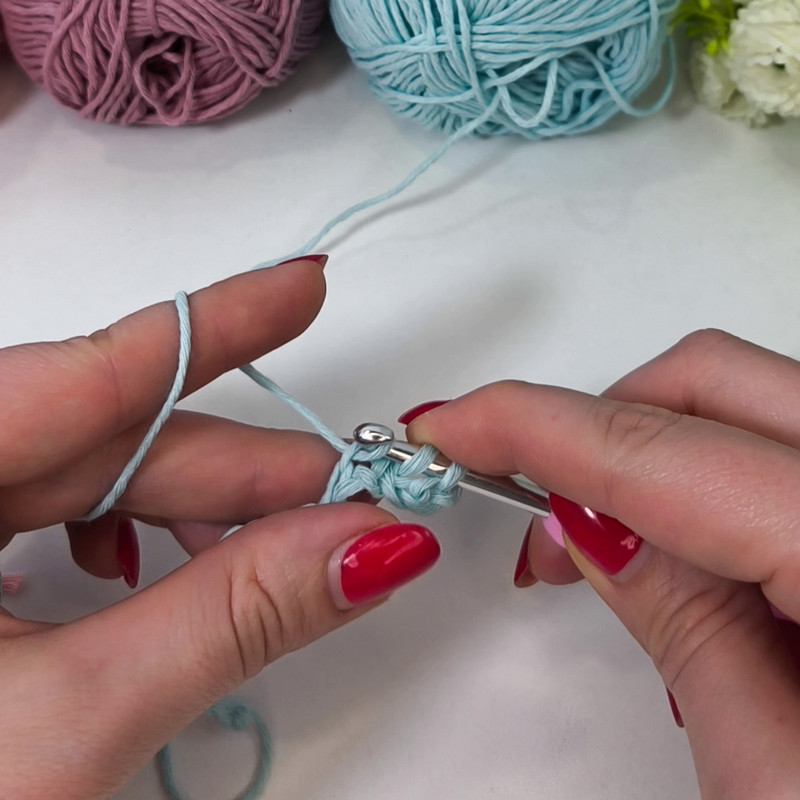
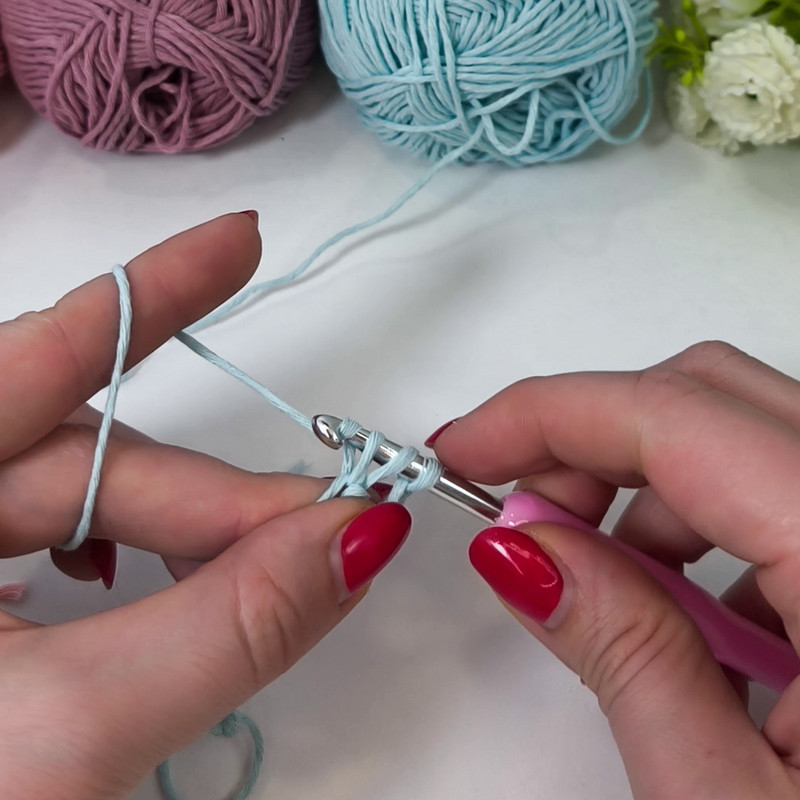
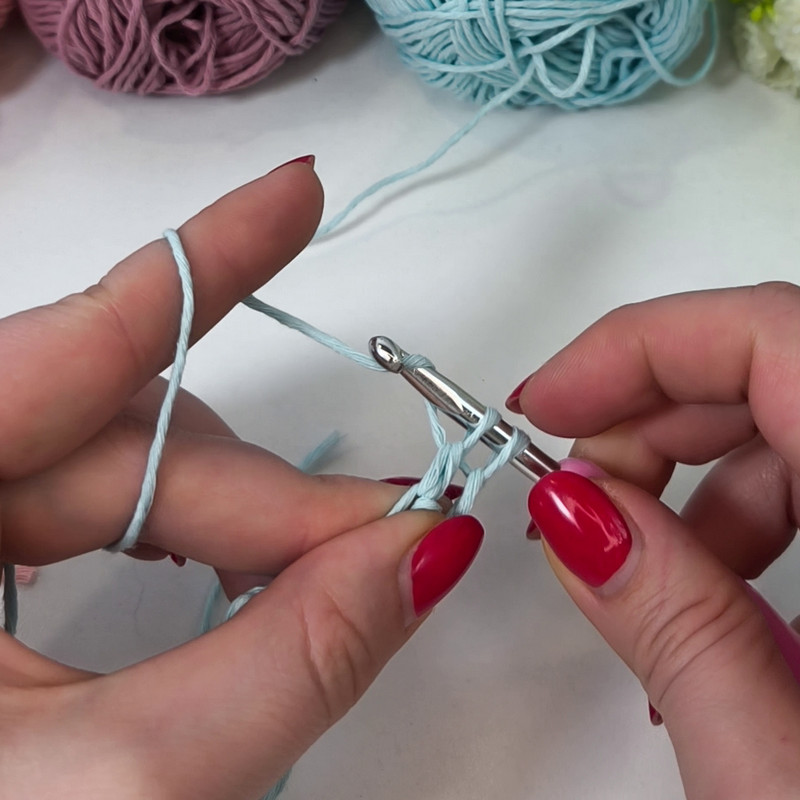
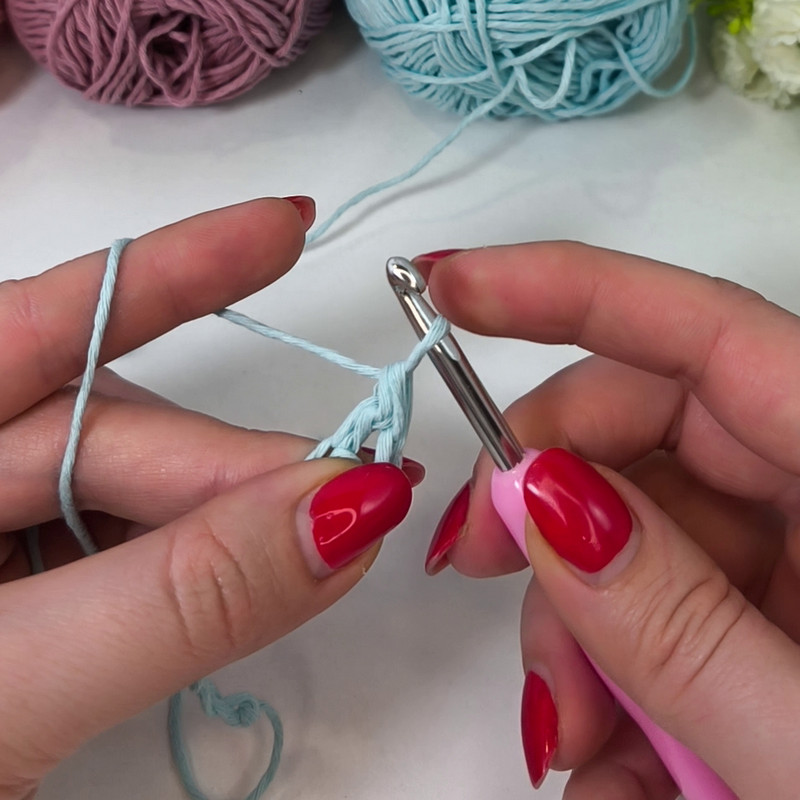
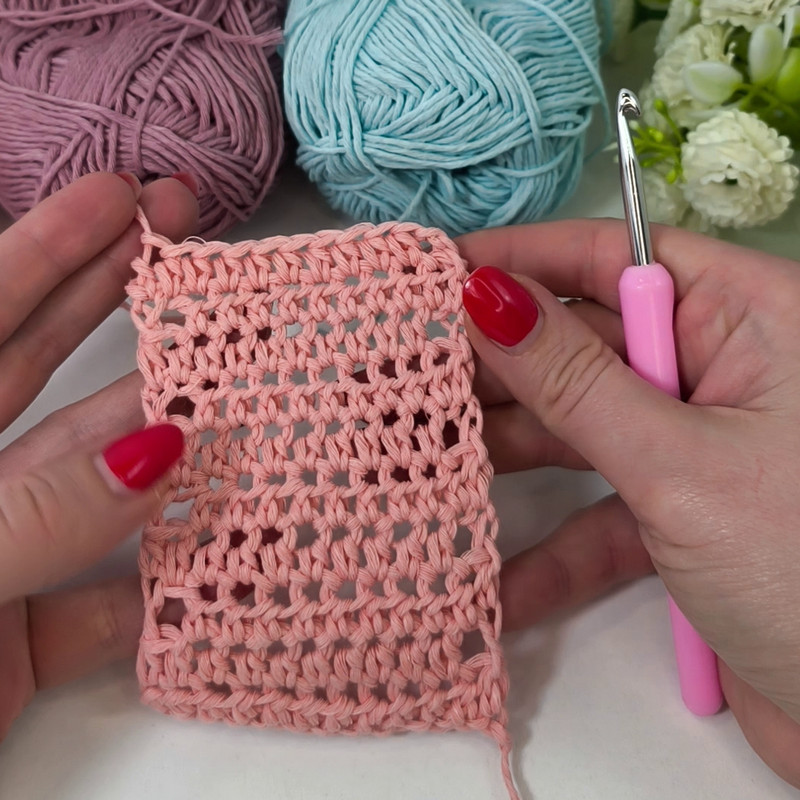
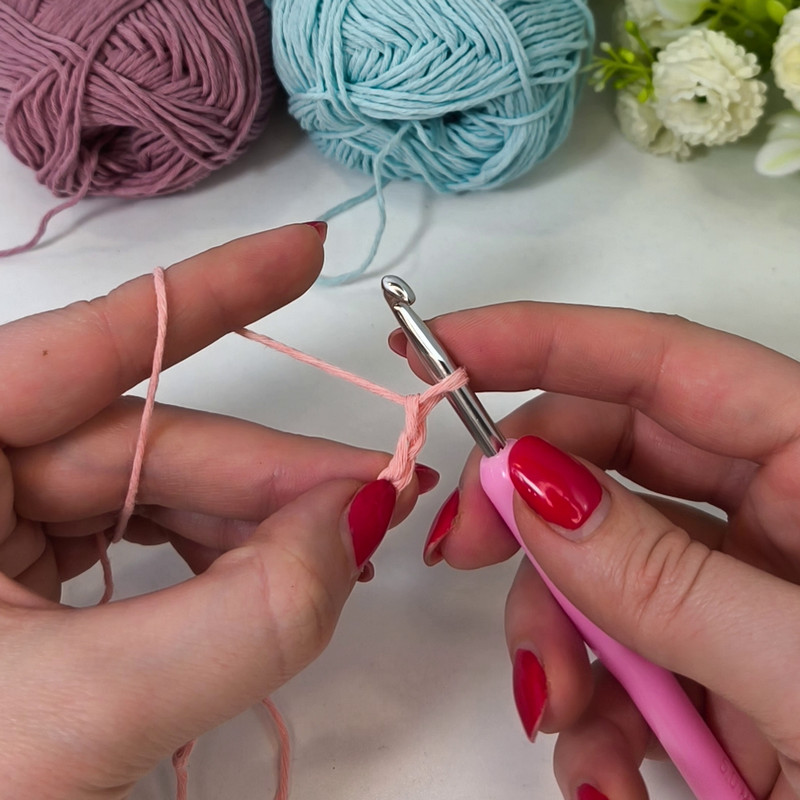
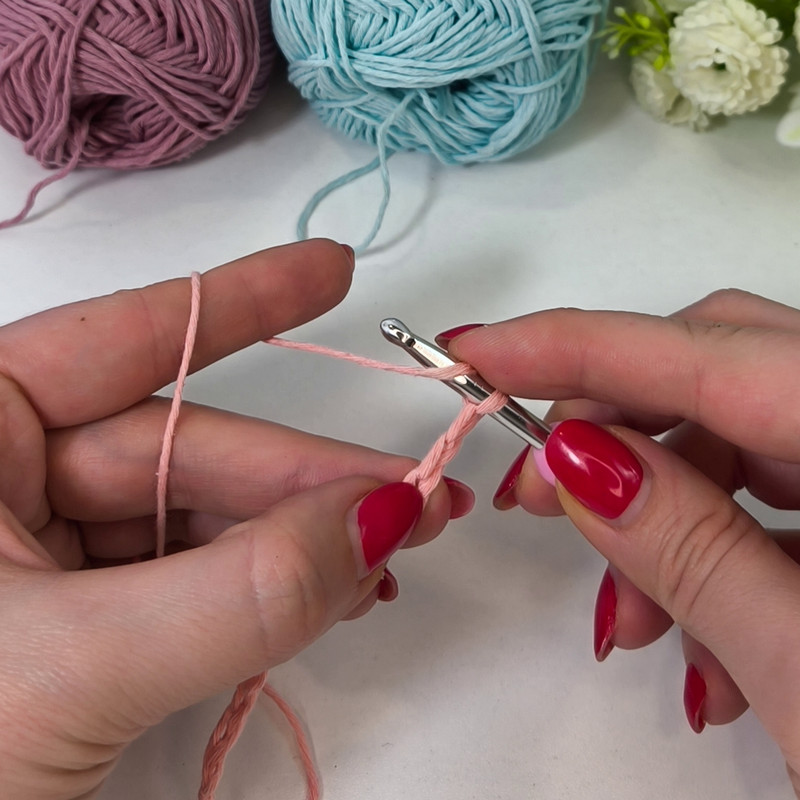
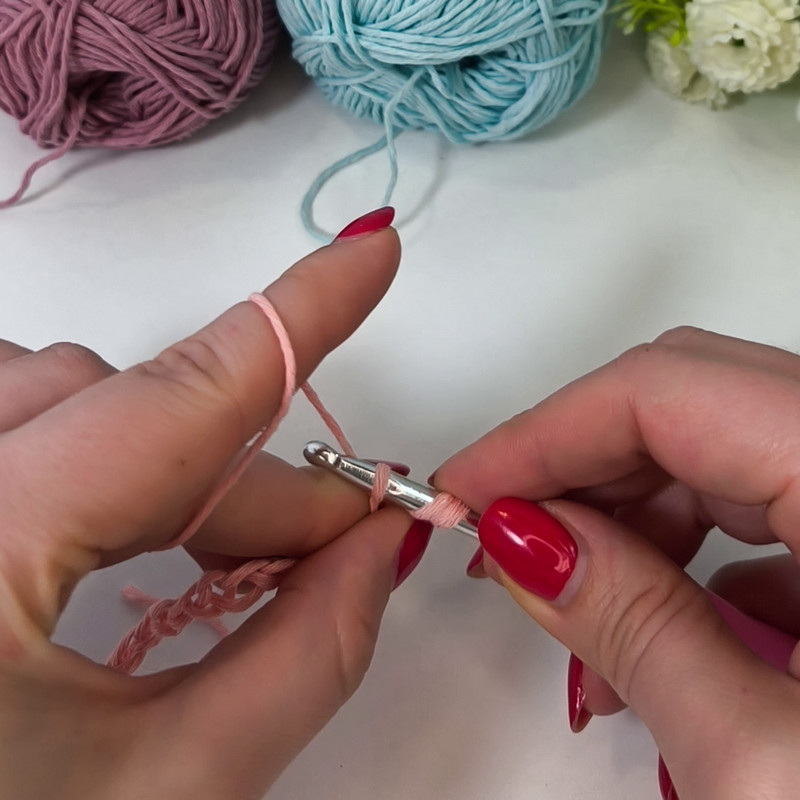
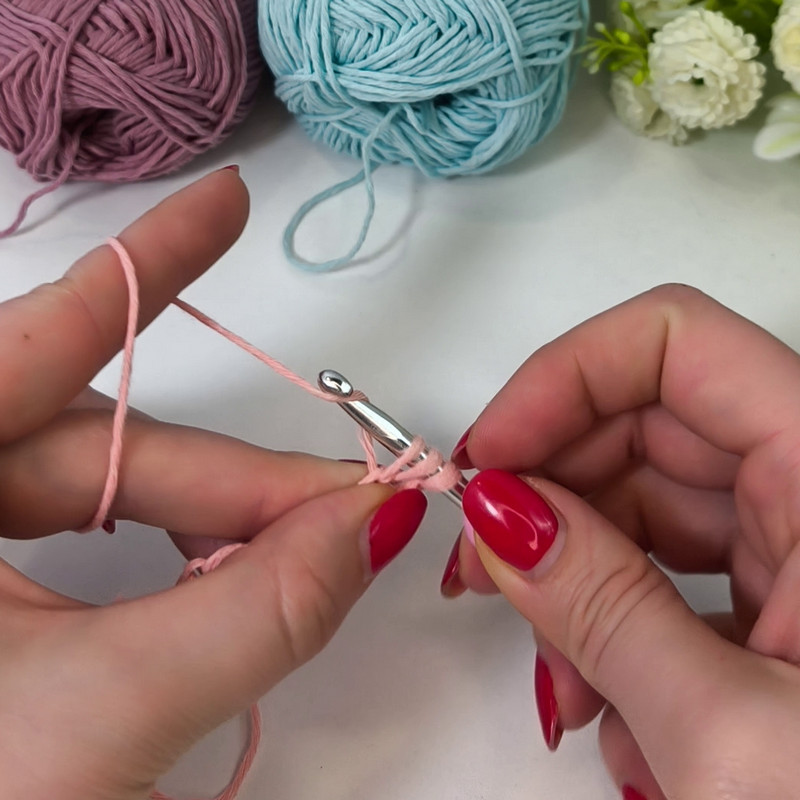
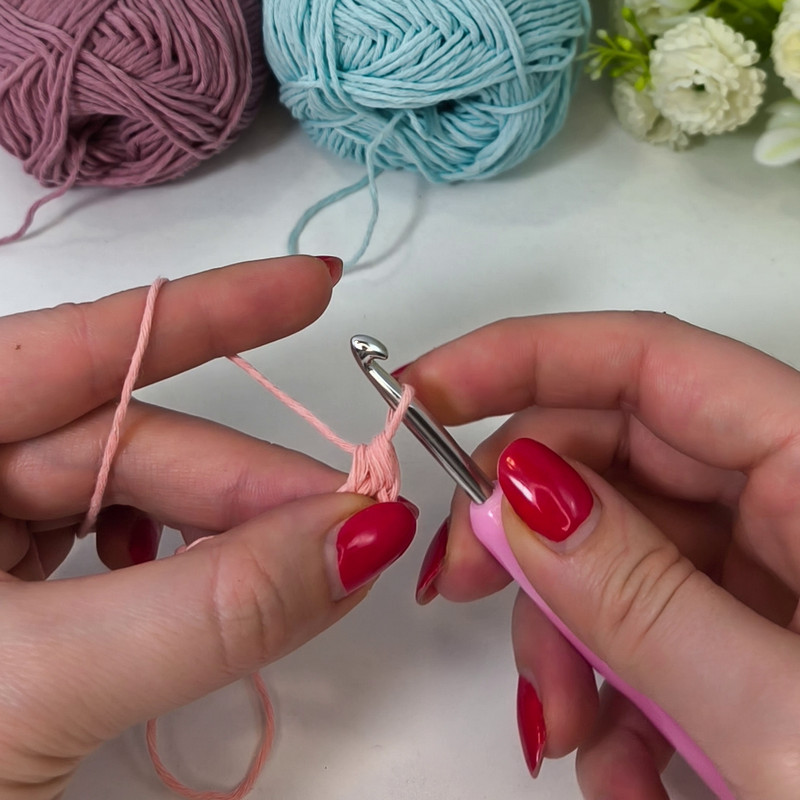
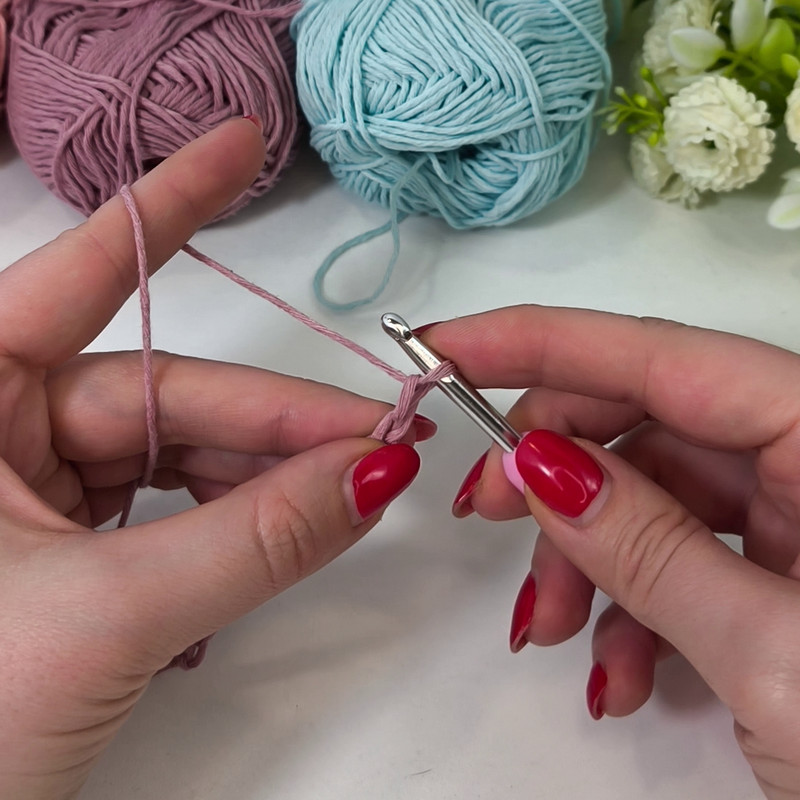
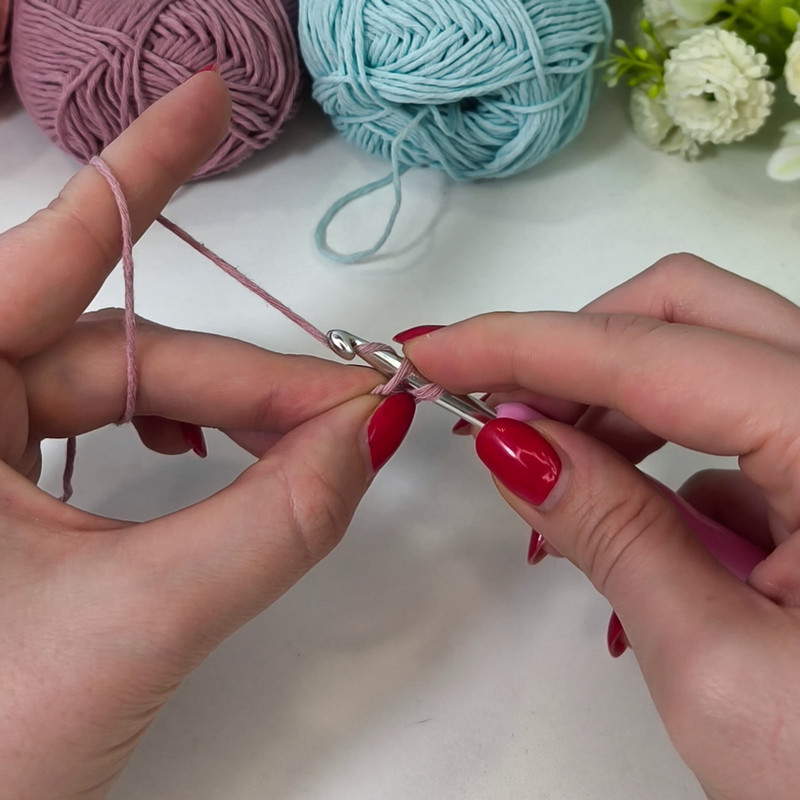
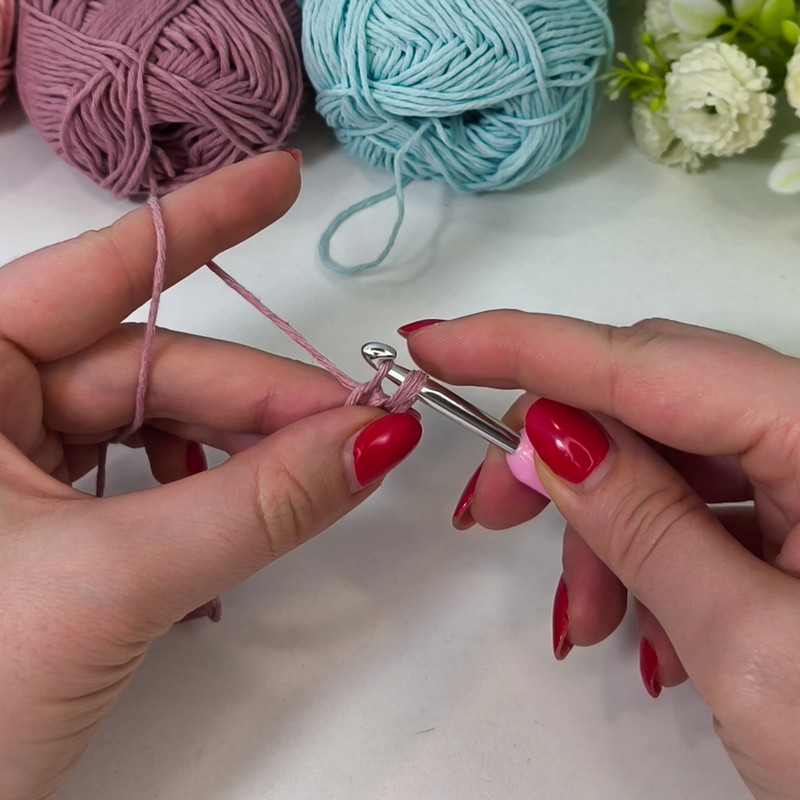
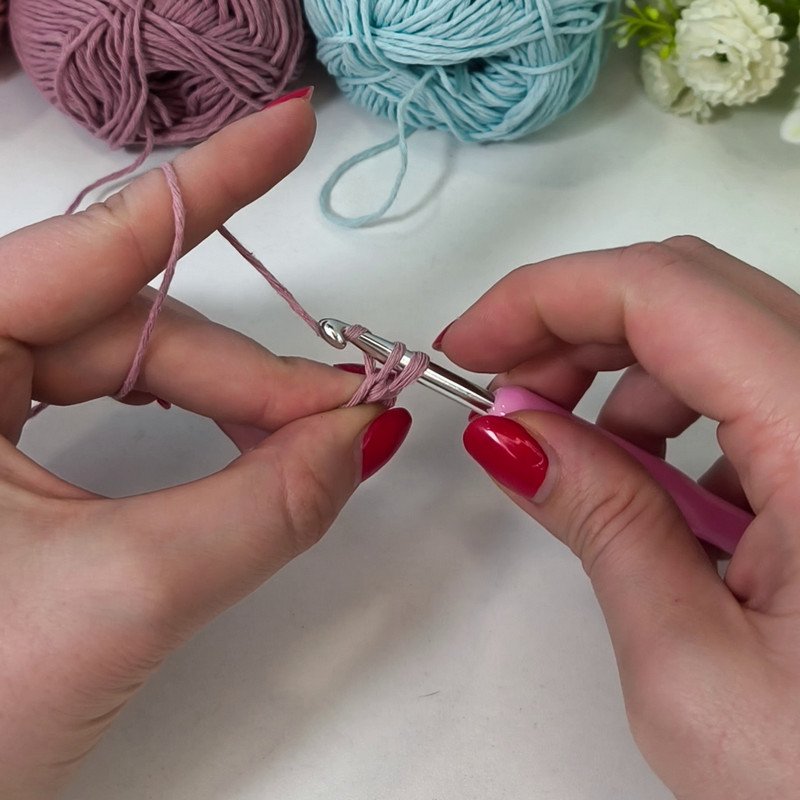
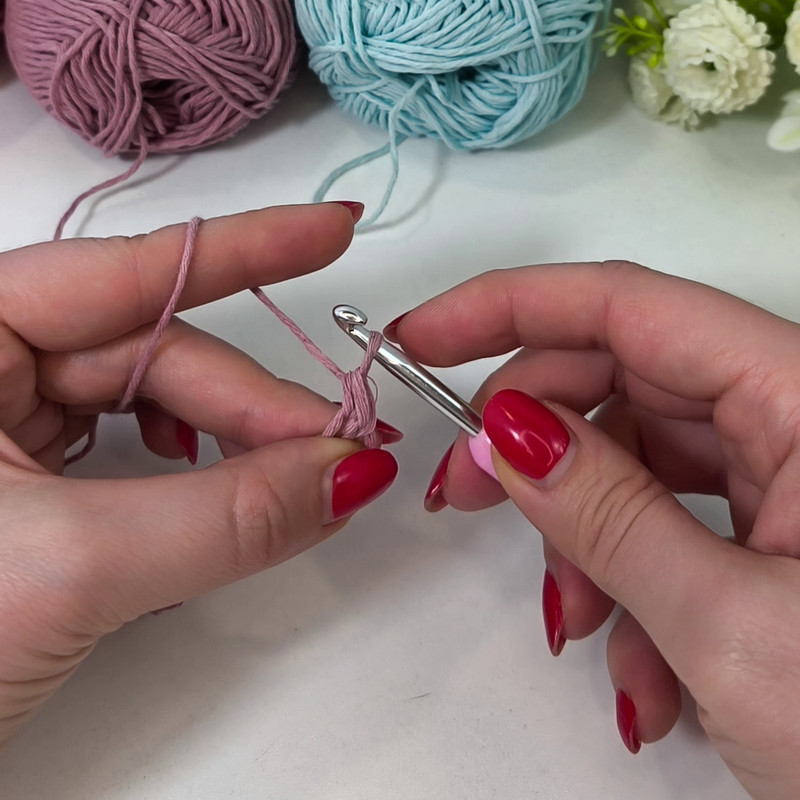
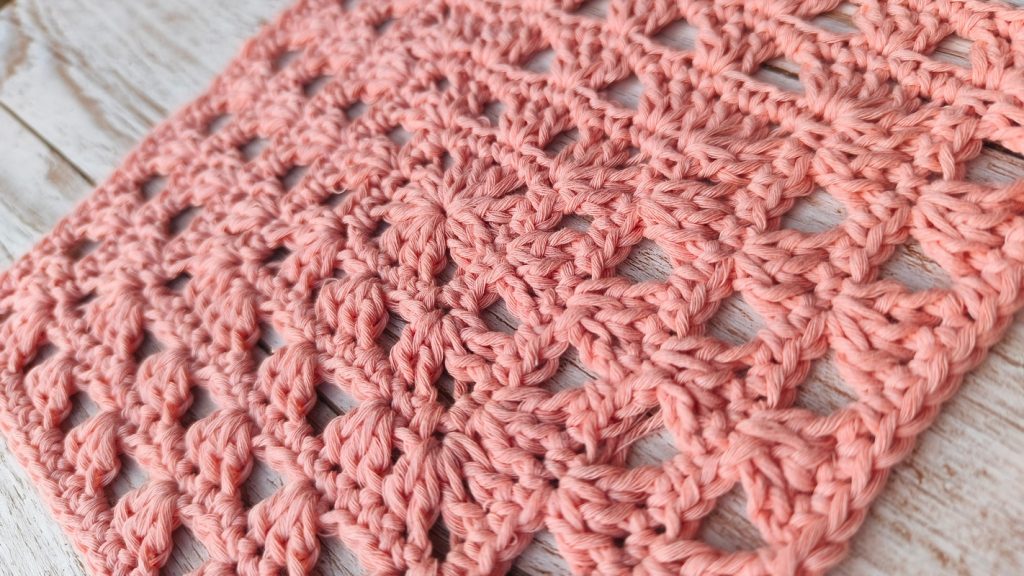
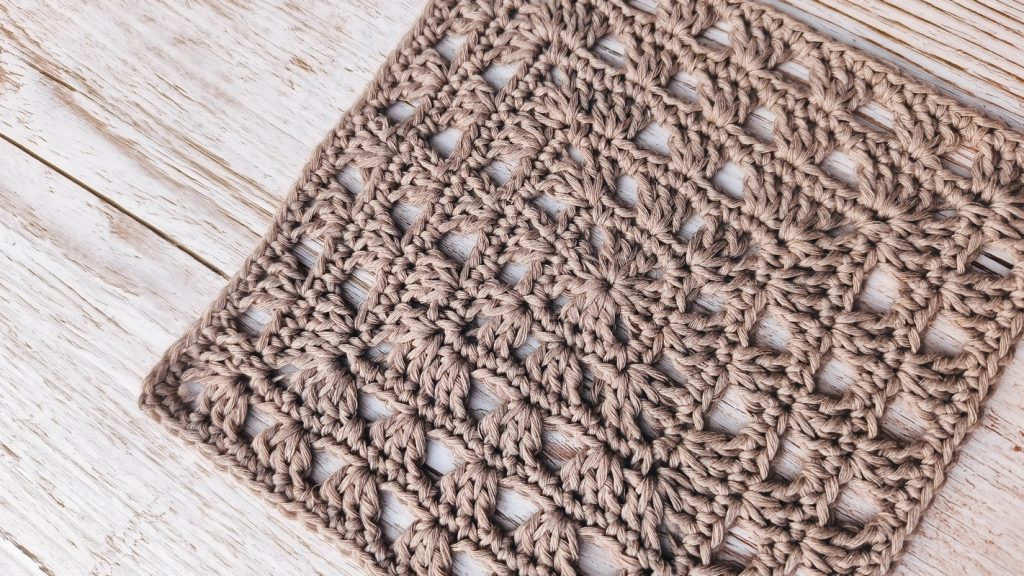
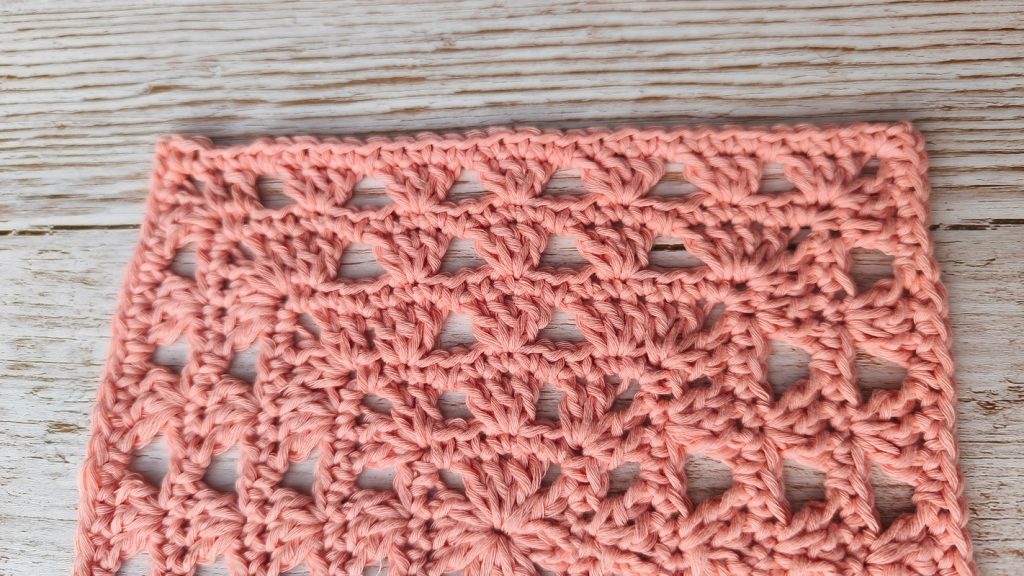
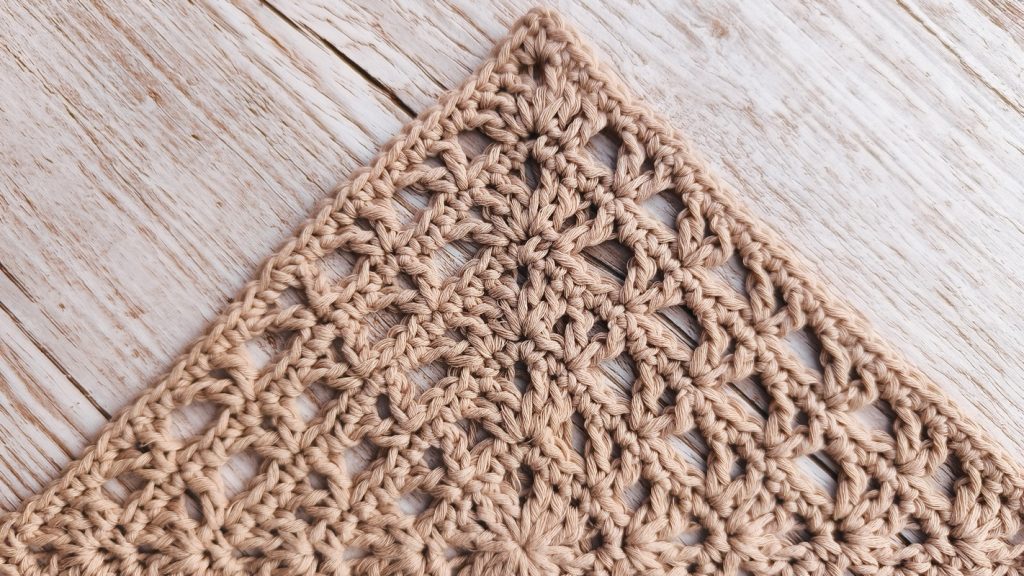
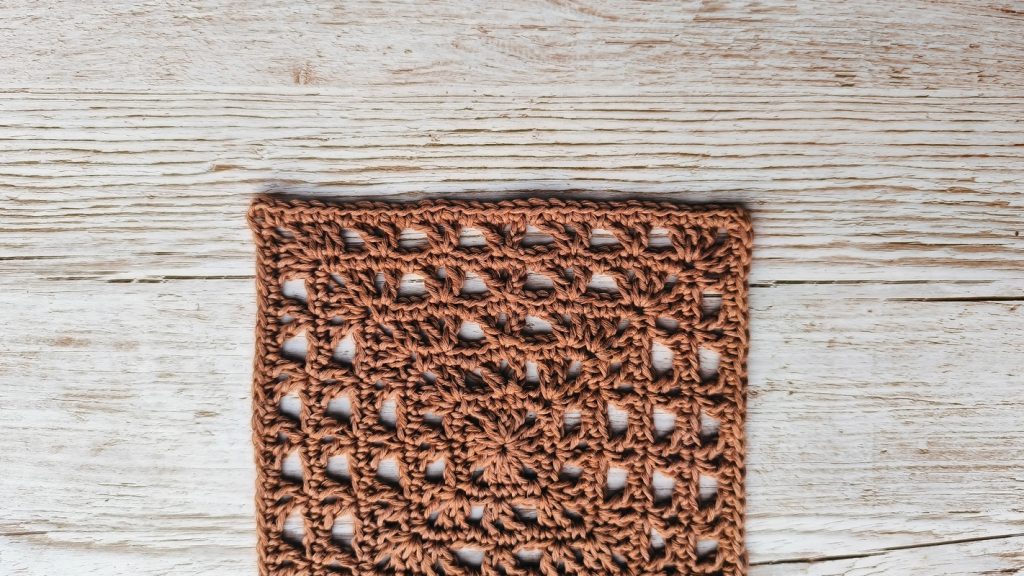
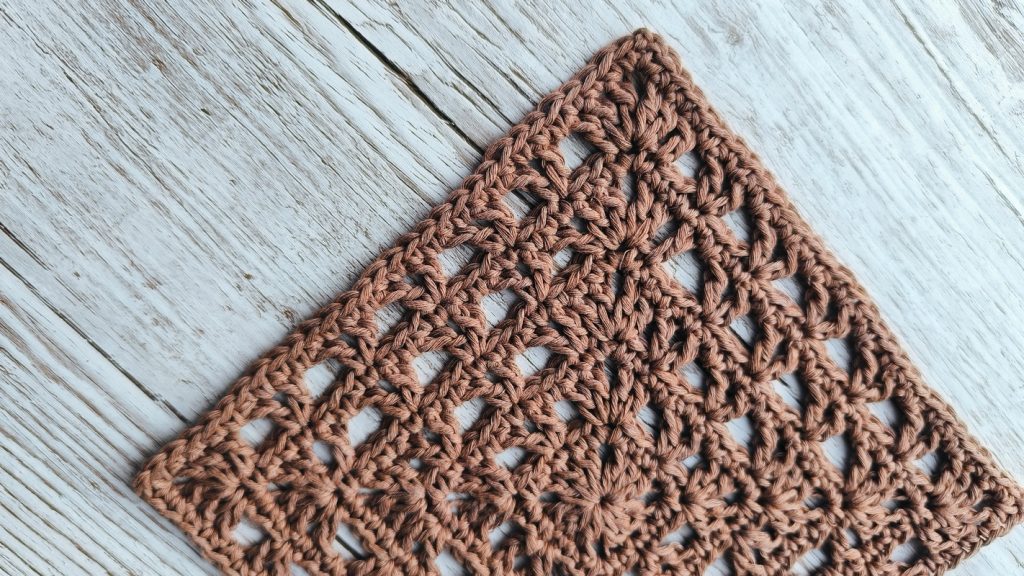
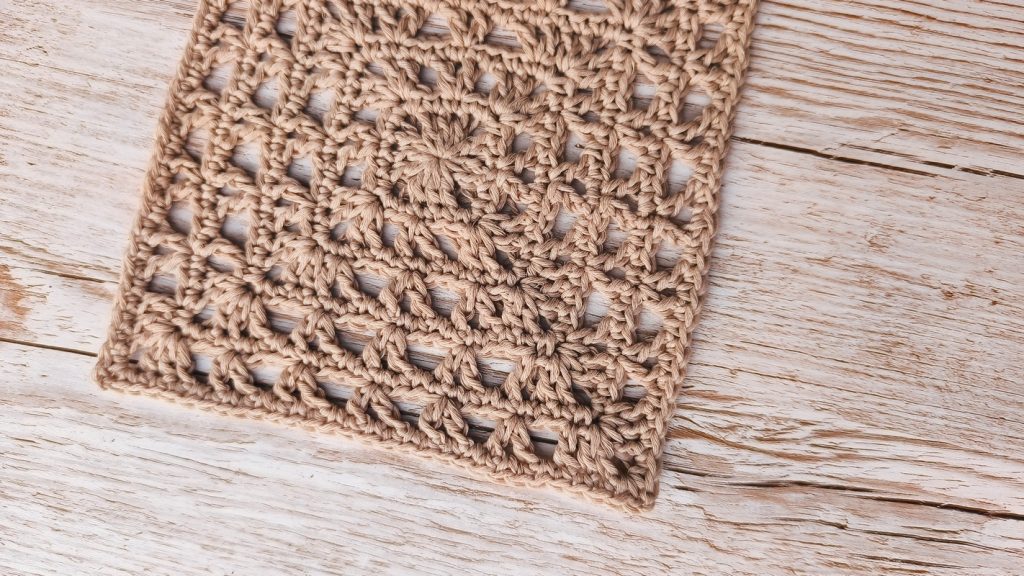
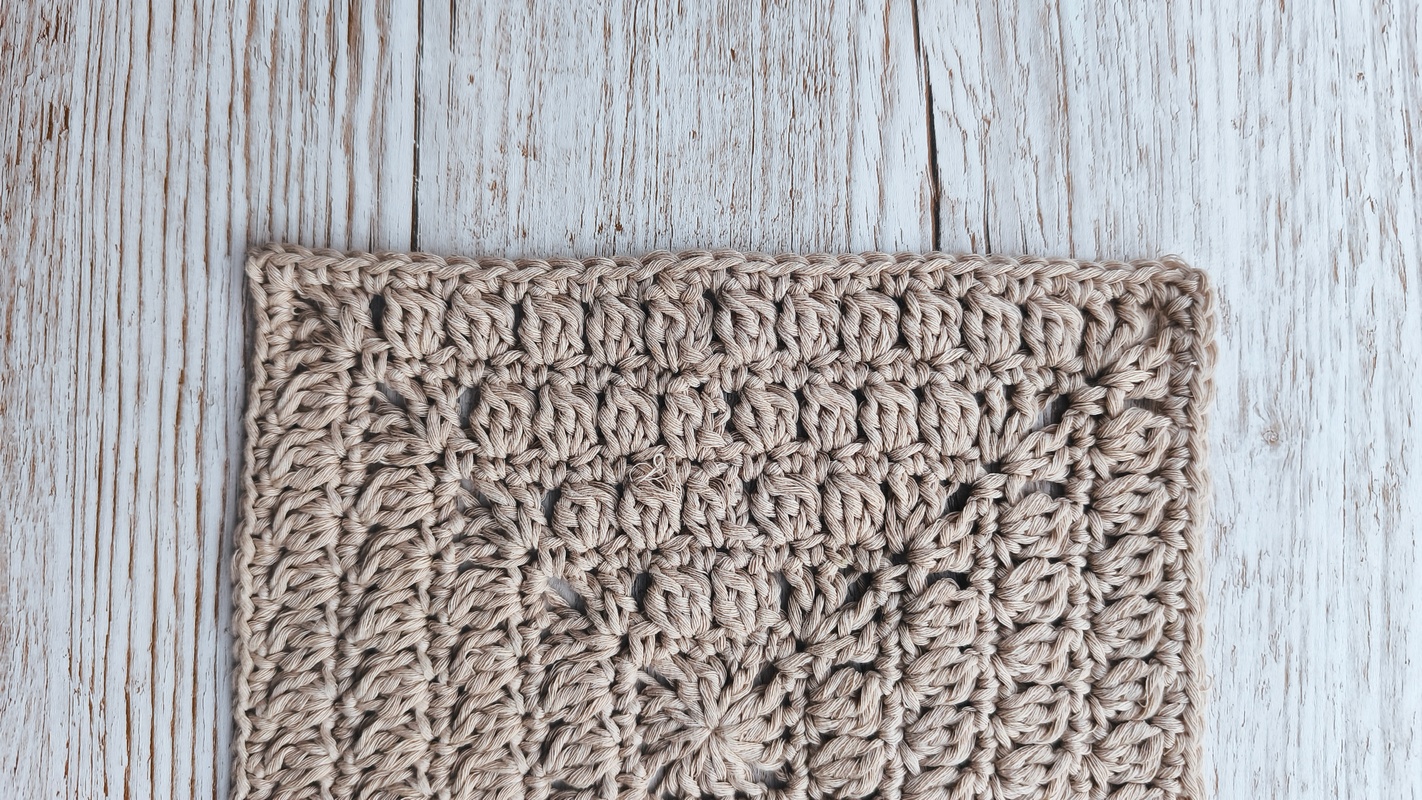
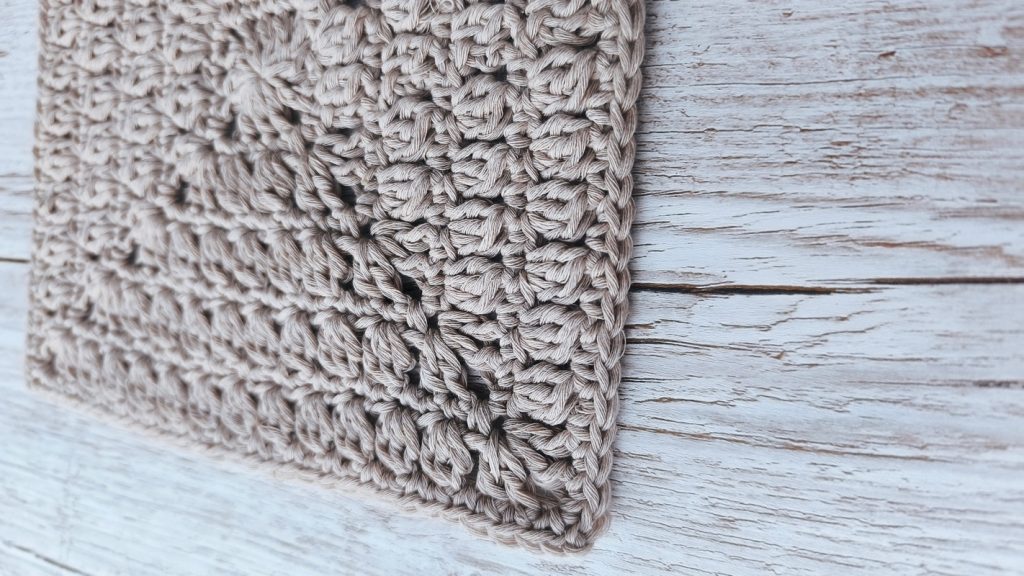
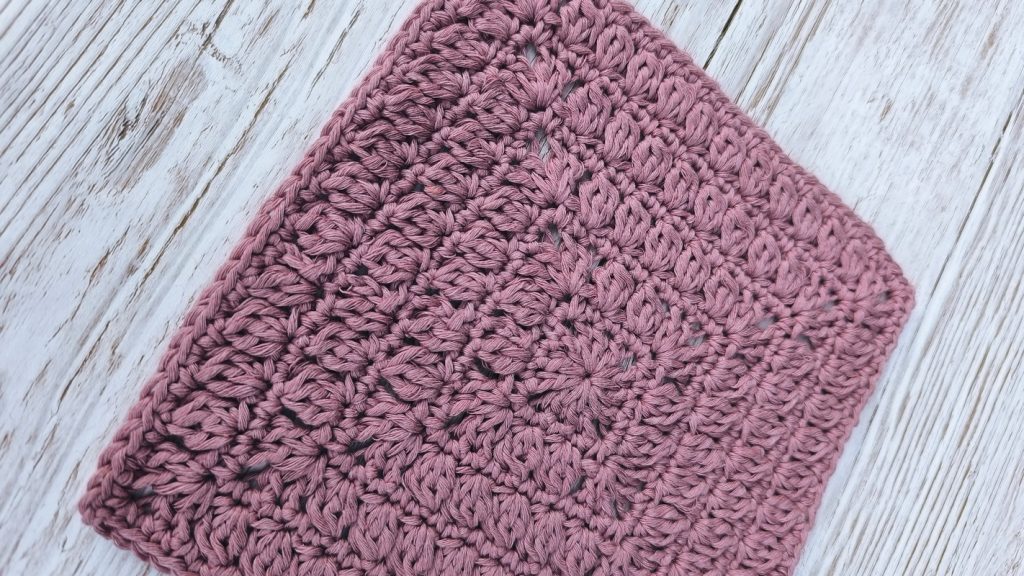
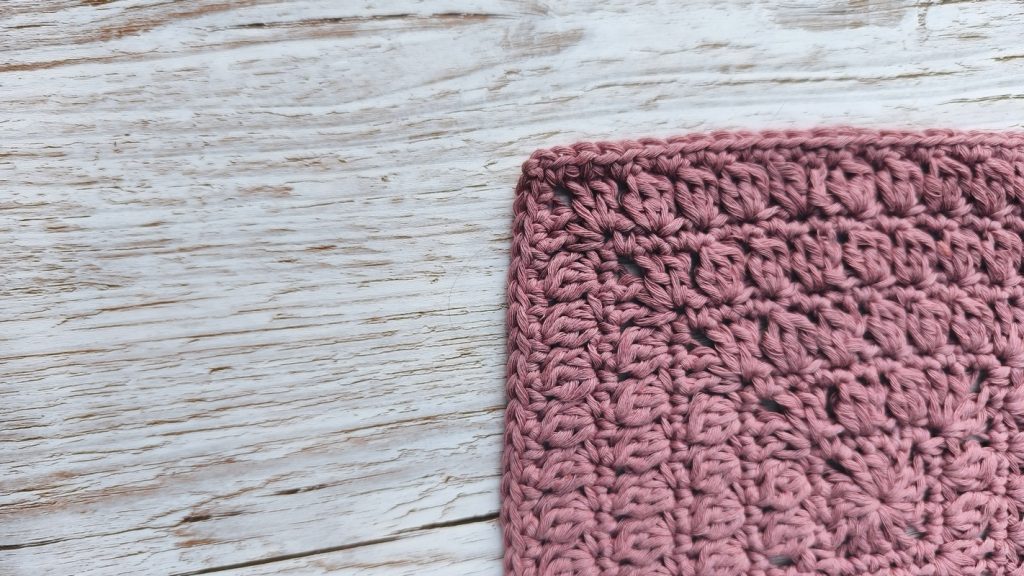
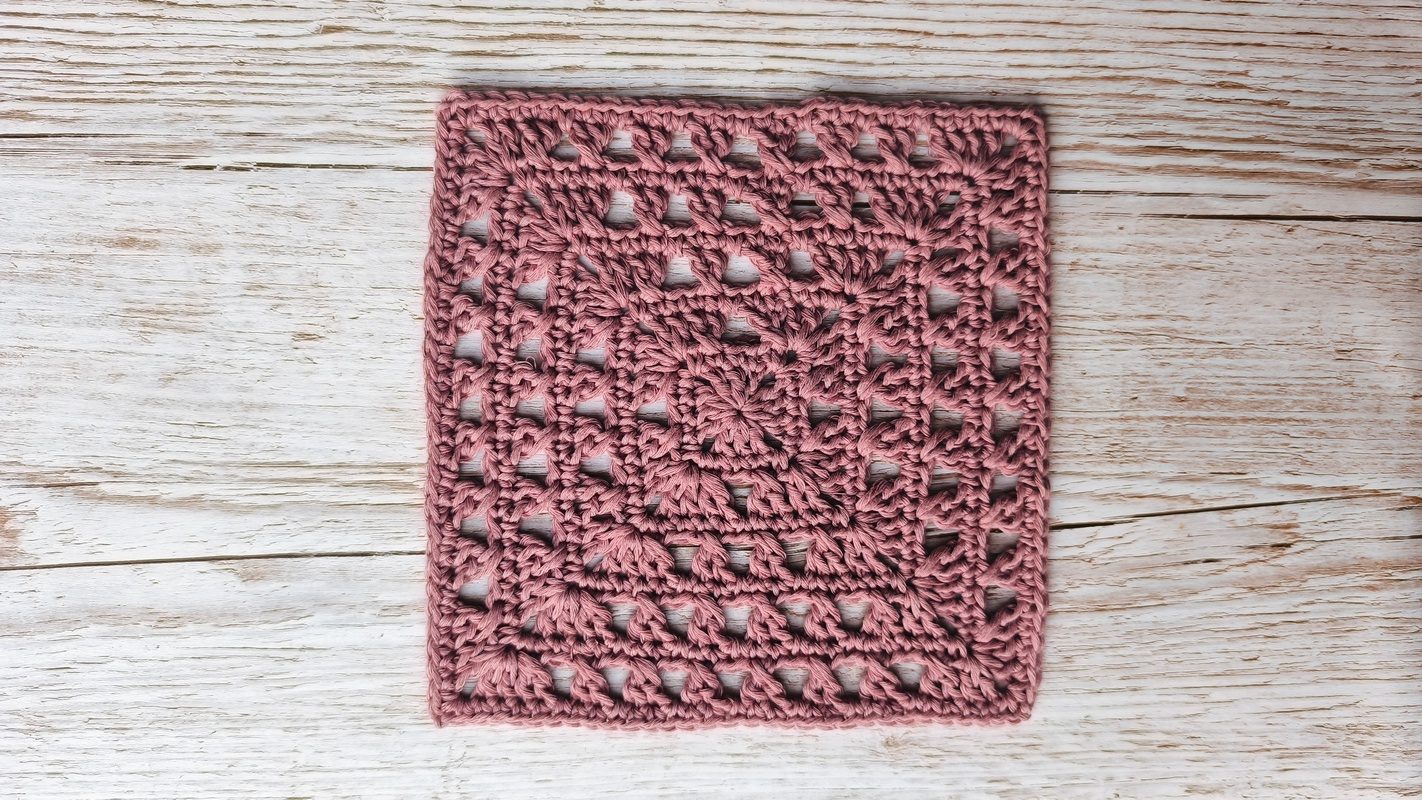
These 3 stitches are the foundation of almost every crochet project, giving you endless possibilities for creativity and design. Whether you’re just starting to crochet or already have experience, learning the single crochet (SC), half-double crochet (HDC), and double crochet (DC) will set you up for success. These essential stitches provide versatility in texture, structure, and style, making them a must-know for any crocheter. Below, we’ll give you an overview of each stitch and provide links to in-depth guides to help you perfect your technique.
1. Single Crochet (SC) – First of These 3 Stitches
The single crochet stitch (SC) is the simplest and most compact of the three. It creates a tight, dense fabric that is perfect for sturdy projects such as washcloths, amigurumi, and blankets. This stitch is ideal for beginners due to its ease of execution and structured appearance.
The half-double crochet stitch (HDC) is a great middle ground between the single and double crochet stitches. It offers a balance of flexibility and structure, making it ideal for garments and soft textures. With its slightly taller and looser stitch pattern, it works well for hats, scarves, and baby items.
The double crochet stitch (DC) is one of the most commonly used stitches in crochet. It is taller and more open than the previous two stitches, making it perfect for lacework, blankets, and fast-growing projects. The DC stitch allows for quicker project completion while maintaining a structured look.
Mastering these three fundamental stitches—single crochet, half-double crochet, and double crochet—will set you up for success in countless crochet projects. Whether you’re creating sturdy amigurumi, soft scarves, or beautiful lace patterns, these stitches provide the perfect foundation for your crochet journey.
For more crochet tutorials, beginner-friendly patterns, and inspiration, visit our blog Blooming with Crochet!
Crochet is an enriching and creative craft, and mastering its essential stitches is key to expanding your skillset. The double crochet (DC) stitch is one of the most commonly used stitches in crochet patterns. Therefore, learning it will open the door to countless projects. It is taller than the single and half-double crochet stitches, making it a great choice for projects that require a bit more height and flexibility. In this guide, you’ll learn how to work the double crochet stitch, avoid common mistakes, and explore the many ways you can use it in your crochet projects.
What is a Double Crochet Stitch?
The double crochet (DC) is a fundamental crochet stitch that creates a fabric that is slightly more open and flexible than single or half-double crochet. Because of its height and versatility, it’s often used in beginner crochet blankets, scarves, garments, and lacework. The DC stitch allows for quicker project completion while still maintaining a structured appearance.
Materials Needed
To practice double crochet, you’ll need the following materials:
Yarn – Medium-weight yarn is recommended for beginners.
Crochet Hook – A 5.0 mm (H-8) hook works well with most worsted-weight yarns.
Scissors – To trim your yarn when necessary.
Tapestry Needle – Helpful for weaving in yarn ends neatly.
How to Make a Double Crochet Stitch
Follow these step-by-step instructions to create a smooth and even double crochet stitch:
Start with a Foundation Chain
Begin by making a chain of any number of stitches. Next, add an extra three chains to serve as the turning chain.
Yarn Over (YO)
Wrap the yarn over your crochet hook before inserting it into the stitch.
Insert Your Hook
Then, skip the first three chains from the hook and insert your hook into the fourth chain.
Yarn Over and Pull Through
Wrap the yarn over the hook again and pull it through the stitch. You should now have three loops on your hook.
Next, Yarn Over and Pull Through Two Loops
Wrap the yarn over once more and pull it through the first two loops on your hook. You will now have two loops remaining.
Yarn Over and Pull Through the Last Two Loops
Wrap the yarn over once more and pull it through the remaining two loops. This completes one double crochet stitch!
Repeat Across the Row
Continue inserting your hook, yarning over, and pulling through until you reach the end of the row.
Turning Your Work
To start a new row, chain three (this counts as your first DC stitch), turn your work, and begin double crocheting into the next stitch.
Common Mistakes and How to Fix Them
Loosely Structured Stitches – If your DC stitches appear too loose, adjust your yarn tension for a more even look.
Skipping Stitches – Always count your stitches at the end of each row to ensure consistency.
Uneven Edges – In addition, make sure you insert your hook into the correct stitch at the start and end of each row to maintain a straight edge.
The double crochet stitch is a game-changer for beginners looking to enhance their crochet abilities. It allows you to create lightweight and airy projects, making it perfect for crochet blankets for beginners, summer tops, and decorative shawls. Mastering the DC stitch will also make it easier to transition into more advanced techniques.
Popular Uses of the Double Crochet Stitch
Crochet Blankets for Beginners – A great stitch for fast and soft blanket-making.
Garments & Sweaters – Used in lacy and structured clothing patterns.
Granny Squares – The foundation for classic granny square projects.
Openwork Patterns – Frequently used in lace and mesh designs for a delicate effect.
Next Steps in Your Crochet Journey
Now that you’ve learned the double crochet stitch, you can explore even more advanced techniques such as the single crochet and half-double crochet. As a result, your projects will become more creative and versatile.With patience and practice, you’ll be able to craft stunning handmade items that bring both comfort and creativity into your crochet journey.
For more beginner-friendly crochet tutorials and patterns, visit our blog Blooming with Crochet!
The half-double crochet stitch is one of the most versatile crochet techniques, allowing you to make everything from cozy blankets to stylish accessories. As you advance in your crochet journey, the HDC stitch is a must-learn technique. It provides a balance between the tight, compact nature of single crochet and the airy feel of double crochet. In this guide, you’ll learn everything you need to know about the hdc stitch, from step-by-step instructions to common uses and troubleshooting tips.
What is a Half-Double Crochet Stitch?
The HDC is a versatile stitch that creates a slightly taller and looser fabric compared to single crochet, yet denser than double crochet. It’s widely used for beginner crochet blankets, textured scarves, beanies, and baby items. This stitch is ideal for those who want a quicker, more flexible stitch without losing structure.
Materials Needed
Before you start practicing half-double crochet, ensure you have the following materials:
Yarn – Medium-weight yarn is a great choice for beginners.
Crochet Hook – A 5.0 mm (H-8) hook works well for most worsted-weight yarns.
Scissors – To trim the yarn as needed.
Tapestry Needle – Useful for weaving in yarn ends.
How to Make a Half-Double Crochet Stitch
Follow these simple steps to create a neat and even half-double crochet stitch:
Start with a Foundation Chain
Begin by chaining any number of stitches. Add an extra two chains to serve as the turning chain.
Yarn Over (YO)
Wrap the yarn over your crochet hook before inserting it into the stitch.
Insert Your Hook
Skip the first two chains from the hook and insert your hook into the third chain.
Yarn Over and Pull Through
Wrap the yarn over the hook again and pull it through the stitch. You should now have three loops on your hook.
Yarn Over and Pull Through All Loops
Wrap the yarn over once more and pull it through all three loops on the hook. You have now completed one half-double crochet stitch!
Repeat Across the Row
Continue inserting your hook, yarning over, and pulling through all loops until you reach the end of the row.
Turning Your Work
To begin a new row, chain two (this does not count as a stitch), turn your work, and start the next row by working into the first stitch.
Common Mistakes and How to Fix Them
Uneven Tension – If your stitches are too tight, try relaxing your grip on the yarn; if they’re too loose, adjust your tension for consistency.
Skipping Stitches – Always count your stitches at the end of each row to maintain an even width.
Gaps in Fabric – Ensure you insert your hook into the correct stitch to prevent uneven spacing.
Why You Should Master the Half-Double Crochet Stitch
This stitch is a game-changer for beginners because it allows you to create projects faster while still providing a structured look. Whether you’re working on crochet blankets for beginners, warm winter accessories, or soft baby garments, the HDC stitch helps you craft items with both flexibility and durability.
Popular Uses of the Half-Double Crochet Stitch
Beginner-Friendly Crochet Blankets – A great stitch for achieving a soft yet structured texture.
Hats and Beanies – Ideal for making snug, stretchy headwear.
Scarves and Shawls – The perfect balance between warmth and drape.
Baby Clothing and Accessories – Soft, flexible, and great for delicate projects.
Textured Patterns – Can be used in combination with other stitches to create unique designs.
Next Steps in Your Crochet Journey
Now that you’ve learned the half-double crochet stitch, you can explore more advanced techniques such as the double crochet (DC) andsingle crochet (sc) stitches. With continued practice, your crochet skills will flourish, allowing you to craft stunning handmade items that bring both beauty and relaxation to your life.
For more beginner-friendly crochet tutorials and patterns, visit our blog Blooming with Crochet!
Crochet is a soothing and rewarding craft, especially for beginners looking to create something beautiful with their hands. If you’re just starting your crochet journey, one of the first stitches you need to master is the single crochet stitch (SC). This stitch is a fundamental building block for countless projects, from cozy blankets to stylish accessories. In this guide, you’ll learn everything you need to know about single crochet, including how to work it step by step, common mistakes to avoid, and why it’s an essential part of your crochet skills.
What is a Single Crochet Stitch?
The single crochet (SC) is one of the simplest and most widely used crochet stitches. It creates a firm, dense fabric, making it perfect for projects that require structure, such as beginner crochet blankets, washcloths, and amigurumi. This stitch is a favorite among beginners because it’s easy to learn, versatile, and provides a clean, polished look.
Materials Needed
Before getting started, make sure you have the right tools:
Yarn – A smooth, medium-weight yarn is best for beginners.
Crochet Hook – A 5.0 mm (H-8) hook works well for most worsted-weight yarns.
Scissors – To trim the yarn when needed.
Tapestry Needle – Useful for weaving in ends.
How to Make a Single Crochet Stitch
Follow these step-by-step instructions to create a perfect single crochet stitch:
Start with a Foundation Chain
Begin by making a chain of any number of stitches. Add one extra chain for turning.
Insert Your Hook
Skip the first chain from the hook and insert your crochet hook into the second chain.
Yarn Over (YO) and Pull Through
Wrap the yarn over the hook and pull it through the chain stitch. You should now have two loops on your hook.
Yarn Over Again and Complete the Stitch
Wrap the yarn over the hook once more and pull it through both loops on the hook.
Repeat Across the Row
Continue inserting your hook, yarning over, and pulling through both loops until you reach the end of the row.
Turning Your Work
To start a new row, chain one (this does not count as a stitch), turn your work, and begin single crocheting into each stitch across.
Common Mistakes and How to Fix Them
Tension Issues – If your stitches are too tight, try loosening your grip on the yarn. If they’re too loose, adjust your yarn tension for a more even look.
Skipping Stitches – Always count your stitches at the end of each row to ensure consistency.
Uneven Edges – Make sure to insert your hook into the correct stitch at the beginning and end of each row to keep the edges straight.
Why You Should Master the Single Crochet Stitch
The single crochet stitch is more than just a basic stitch—it’s an essential skill that allows you to work on a wide variety of crochet projects. Whether you’re creating beginner-friendly crochet blankets, textured scarves, or simple dishcloths, mastering the SC stitch gives you the foundation needed to tackle more advanced patterns.
Beginner Crochet Blankets – Provides a solid and structured base for simple and cozy projects.
Amigurumi (Crochet Toys) – The tight, dense fabric prevents stuffing from showing through.
Washcloths & Dishcloths – Great for making durable and absorbent kitchen essentials.
Simple Crochet Accessories – From scarves to beanies, SC is often used in quick and easy patterns.
Textured Crochet Patterns – When combined with other stitches, SC helps create interesting textures.
Next Steps in Your Crochet Journey
Now that you’ve mastered the single crochet stitch, you can explore more advanced techniques such as the half-double crochet (HDC) and double crochet (DC) stitches. With practice, patience, and creativity, you’ll soon be making stunning crochet pieces that bring both beauty and serenity to your craft.
For more beginner-friendly crochet tutorials and patterns, visit our blog Blooming with Crochet!
Crochet is a beautiful and meditative craft that begins with mastering its fundamental stitches. The most essential and foundational stitch in crochet is the chain stitch (ch). Whether you are a complete beginner or refreshing your skills, understanding how to create a clean and even chain stitch will set the groundwork for all your future crochet projects.
What is a Chain Stitch?
The chain stitch, often abbreviated as ch, is the most basic crochet stitch. It forms a simple looped foundation that serves as the starting point for nearly every crochet project. Chain stitches are used to create the base row of many patterns, provide spacing in designs, and are essential for building more complex stitches.
Materials Needed
To practice chain stitches, you will need:
Yarn – Choose a smooth, medium-weight yarn (such as worsted weight) for easy handling.
Crochet Hook – A hook size that matches your yarn (for beginners, a size 5.0 mm [H-8] is a good starting point).
Scissors – For trimming the yarn when needed.
How to Make a Chain Stitch
Follow these step-by-step instructions to create a clean and even chain stitch:
Make a Slip Knot
Begin by creating a slip knot and placing it onto your crochet hook. Tighten it slightly so that it moves freely on the hook but is not too tight.
Hold Your Yarn
Wrap the yarn around your fingers to maintain tension and control. This helps keep your stitches even.
Yarn Over (YO)
Wrap the yarn over the crochet hook from back to front.
Pull Through
Use the hook to pull the yarn through the loop already on your hook. You have now made your first chain stitch!
Repeat
Continue steps 3 and 4 until you have created the number of chain stitches required for your project.
Tips for a Perfect Chain Stitch
Keep an even tension – Too tight will make it difficult to work into, while too loose may look untidy.
Count your chains – This helps avoid mistakes when starting a project.
Practice makes perfect – The more you repeat the process, the more consistent your stitches will become.
Common Uses of the Chain Stitch
The chain stitch is one of the most versatile stitches in crochet, playing a crucial role in various patterns and techniques. Here are some of the most common uses:
Foundation Row – Most crochet projects start with a chain stitch foundation, making it essential for beginners to master.
Lacework & Mesh Patterns – This stitch is widely used in lace and mesh designs, creating airy, delicate fabrics perfect for shawls, curtains, and lightweight garments.
Decorative Borders – Chain stitches are often used in border designs, adding an elegant finishing touch to blankets, table runners, and other home decor items.
Connecting Stitches – Frequently used to bridge sections in more advanced crochet patterns, such as granny squares and motifs.
Amigurumi & 3D Shapes – Many crochet artists use chain stitches as a foundation for making curved and three-dimensional crochet pieces like flowers, toys, and accessories.
Tunisian Crochet – The chain stitch serves as the base row for Tunisian crochet, a technique that blends elements of crochet and knitting for a unique texture.
Mastering the chain stitch allows crocheters to create a wide variety of projects, from simple scarves to intricate lace designs. Understanding its flexibility and multiple applications will make your crochet journey more enjoyable and fulfilling.
Next Steps
Once you have mastered the chain stitch, the next step in your crochet journey is learning the single crochet stitch (sc), which is the first stitch worked into the foundation chain. Stay tuned for more guides to build your crochet skills!
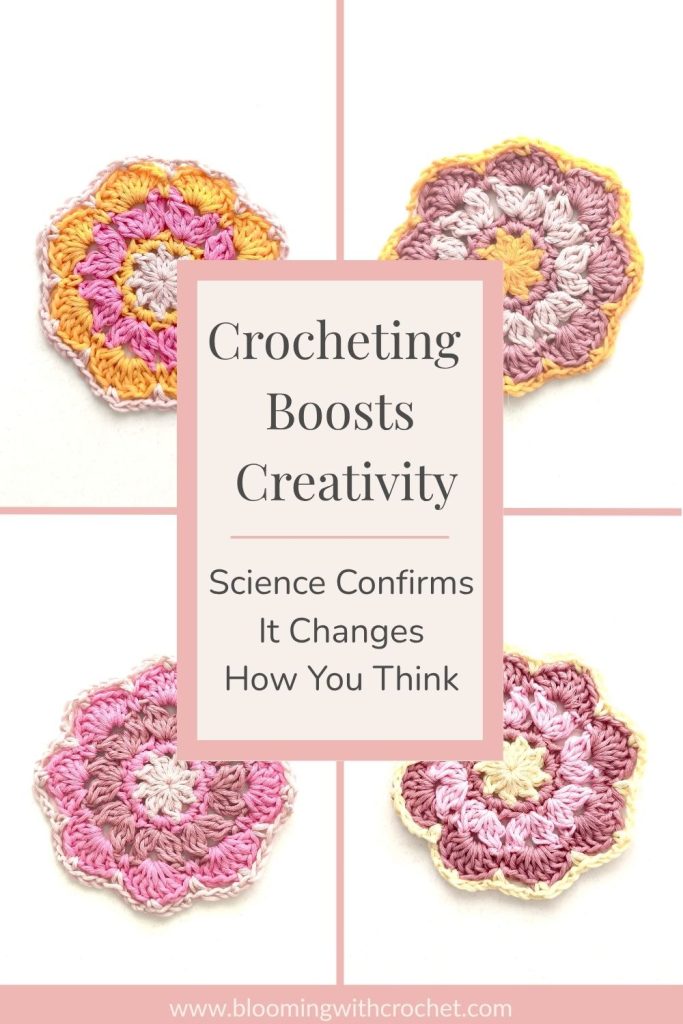
Crocheting boosts creativity in ways that go far beyond making pretty items. Creativity is a fundamental human need. It fuels innovation, problem-solving, and personal growth, allowing individuals to approach challenges with fresh perspectives. Research has linked creativity with higher intelligence and cognitive flexibility, as it encourages people to think beyond conventional patterns. Through art, design, and handicrafts, we express our thoughts, emotions, and personal style, reinforcing our sense of identity and purpose. Crocheting is one of the hobbies that gives people the opportunity to be creative, experiment with colors and textures, and create unique pieces, all while enhancing cognitive functions and emotional well-being.
According to research published on PubMed (source), 82.1% of people choose crocheting as a form of creative expression. This statistic shows that crocheting is more than just a hobby – it is a tool for self-expression and artistic creation.
Why Do People Need to Be Creative?
Creativity is not just a privilege of artists; it is essential for everyday life. It enables us to think outside the box, approach challenges with fresh perspectives, and develop unique solutions to problems. Engaging in creative activities reduces stress by shifting our focus away from worries and into a state of flow, where the mind becomes fully immersed in a task. This meditative effect not only relaxes the body but also enhances overall mental clarity. Moreover, creativity fosters a sense of accomplishment and self-worth, as creating something with our own hands provides visible proof of our capabilities. Crocheting is a particularly powerful form of creativity because it combines problem-solving with artistic expression, allowing us to explore textures, colors, and patterns while simultaneously engaging our minds in a calming, fulfilling process.
How Crocheting Boosts Creativity? Unlocking Your Artistic Potential with Yarn and Hook
Crocheting is an excellent way to boost creativity, helping crafters refine their artistic abilities while reaping mental health benefits. Whether you’re a beginner or an experienced crocheter, this relaxing activity encourages innovation, self-expression, and cognitive stimulation. Here are some of the ways crocheting enhances creativity and fosters a sense of accomplishment:
Choice of Colors and Textures – Playing with yarn colors and experimenting with different fibers allows crocheters to develop their artistic intuition. Mixing vibrant or pastel shades and exploring soft or coarse textures unlocks a deeper understanding of color theory and textile design.
Experimenting with Patterns – From intricate lace stitches to bold geometric shapes, crocheting invites creators to push boundaries and think innovatively. Trying out different stitch combinations, customizing patterns, and blending classic and modern techniques fosters original design thinking.
Creating Unique Pieces – Crocheting empowers individuals to transform everyday items into artistic masterpieces. Whether designing handmade blankets, stylish tote bags, or elegant wearables, crocheting fuels originality and nurtures a sense of pride in handcrafted creations.
Can Anyone Be Creative Through Crocheting?
Yes! There is a myth that some people are “naturally” creative, but creativity is a skill that can be nurtured and developed over time. Crocheting is an accessible and inclusive craft, making it ideal for people of all ages, backgrounds, and skill levels. Unlike other artistic endeavors that may require expensive tools or formal training, crocheting only requires yarn, a hook, and patience. It fosters problem-solving skills, as each project presents unique challenges that stimulate the brain and encourage innovation. The repetitive, rhythmic motions of crocheting help reduce stress, making it a therapeutic activity that promotes mindfulness. Additionally, crocheting offers a tangible sense of accomplishment, as every completed piece serves as proof of one’s dedication and creativity. Beginners can start with simple projects and gradually experiment with colors, patterns, and techniques, unlocking their creative potential step by step.
Crocheting is used not only for clothing and home decor but also for artistic installations, demonstrating its versatility as a medium of self-expression. Many contemporary artists integrate crochet motifs into their work to convey powerful messages about culture, heritage, and social issues, using yarn as a storytelling tool. Fashion designers also embrace crochet, incorporating intricate lacework, bold patterns, and handmade embellishments into modern collections, proving that crocheting is a timeless and evolving craft. Beyond personal expression, crocheting fosters a sense of community, as group projects and collaborative art installations bring people together through shared creativity. With its rich history and continuous innovation, crocheting remains an essential form of artistic exploration that blends tradition with modern creativity.
If you love discovering new crochet techniques and want to explore more creative possibilities, sign up for our email list and receive our free PDF book, “Squares of Serenity: Unlocking Creativity Through Crocheting.” This beautifully designed book includes exclusive crochet patterns, expert tips, and inspiration to help you turn your yarn into art. Whether you’re a beginner or an experienced crocheter, you’ll find valuable insights that elevate your creativity and skill. Click here to subscribe and start your creative journey today!
Conclusion
Crocheting is much more than a hobby – it is a form of creative expression that allows people to explore, learn, and create. Regardless of skill level, everyone can find their unique style through crocheting. It’s clear that crocheting boosts creativity while providing relaxation and joy.
What does creativity in crocheting mean to you? Share your thoughts in the comments! 😊
The night felt endless, wrapping me in its heavy silence. I sat there, tangled in my own thoughts, wondering if the weight of it would ever lift. Then, just as I began to lose myself in the stillness, I noticed a faint glow on the horizon. At first, it was barely there – a whisper of light – but something in me stirred.
As the glow grew stronger, I felt the shadows around me begin to shift, and with them, something inside me softened. The first rays of dawn spilled across the sky, painting it with colors I had almost forgotten: soft pinks, gentle golds, a quiet blue. I took a deep breath, and for the first time in what felt like forever, it carried a sense of renewal, a promise that today could be different.
With each stitch of this square, I found myself weaving more than just yarn. I was stitching a reminder to hold on, to trust that light always finds its way through. New Dawn isn’t just a name – it’s a feeling, a moment of rediscovery. Let this square remind you, as it reminds me, that no matter how long the night, there’s always a new dawn waiting to embrace us.
If you love making crochet granny squares, why not add more to your collection? This easy crochet square pattern is part of my free crochet pattern book, Squares of Serenity, which includes five calming and beginner-friendly designs. Whether you’re making a crochet blanket, a cushion, or just enjoying the meditative process of stitching, these patterns will bring beauty and relaxation to your creative time. Sign up now and get your free crochet square patterns PDF today! 💛 Sign up here!
There’s something magical about the moments just before the sun rises. The world feels suspended, caught between night and day, wrapped in a quiet so profound it feels almost sacred. It’s in this stillness that I often find clarity, as if the universe itself is whispering gentle truths only meant for me. The soft hues of dawn paint the sky in shades of hope, reminding me that no matter what came before, a new beginning is just over the horizon.
As I worked on this square, I found myself drawn into that same quiet anticipation. Each stitch mirrored the slow, steady rhythm of the morning – unhurried, deliberate, and full of promise. I imagined the first light stretching across the earth, touching everything it meets with a quiet embrace, and I couldn’t help but feel a sense of peace washing over me.
Silence of Dawn is a tribute to those fleeting moments of stillness, when the world feels fresh and full of potential. Let this square remind you to pause and savor the quiet beginnings, to find comfort in the calm, and to trust that every new dawn brings with it a chance to start anew.
Imagine wrapping yourself in something you made with your own hands—soft, cozy, and filled with meaning. This crochet square pattern is more than just a design; it’s a chance to slow down and enjoy the process. If you’re looking for a free crochet pattern for blankets, cushions, or mindful stitching, download my free PDF book, Squares of Serenity. It includes five peaceful crochet granny square patterns, each designed to bring warmth and joy to your projects. Sign up now and start creating your own moments of peace. 💛 Click here to get it!
Growth doesn’t always announce itself. It doesn’t come with grand gestures or loud declarations. Sometimes, it’s so quiet that you don’t even realize it’s happening. That was my experience – a subtle shift, like seeds taking root beneath the surface, hidden yet full of potential. At first, it felt like nothing was changing, but over time, I started noticing little blooms – a kinder thought, a softer word, a moment of courage I didn’t know I had.
As I worked on this square, I reflected on how powerful quiet growth can be. Each stitch reminded me of those unseen transformations, the ones that happen in the quiet moments when we allow ourselves to rest and just be. I thought about flowers that bloom in the early morning, their petals unfolding in the softest light, unnoticed by most, yet undeniably beautiful.
Blooming in Silence is more than a crochet square. It’s a testament to the strength that comes from those gentle moments of self-discovery, when we nurture ourselves without fanfare or noise. Let it remind you that you don’t need to shout your growth to the world. You are blooming, even when no one else sees it – and that is more than enough.
Crocheting has the power to ground us, offering stillness and joy in every stitch. If you’re searching for a simple crochet square pattern that’s easy to follow and perfect for mindfulness, this design is for you. I’d love to share more peaceful patterns with you—my free crochet book, Squares of Serenity, includes this pattern and four more, each with step-by-step instructions and an inspiring story. Sign up now to receive your free beginner crochet patterns and start creating with intention. 💛 Download it here!
There was a time when life felt like a storm – constant noise, rushing thoughts, and the weight of too many expectations pressing down on me. I longed for stillness, for a quiet place where I could hear the whisper of my own heart again. One day, amidst it all, I paused. I closed my eyes, and there it was – a quiet spring deep within me. It wasn’t something I could see or touch, but I felt it, a steady flow of peace that had been there all along, waiting for me to find it.
As I worked on this square, I imagined that spring, its water crystal-clear and cool, gently washing away the noise of the outside world. Each stitch became a ripple, a soft echo of calm spreading through me. I could almost hear the gentle murmur of water, like a song only I could hear, soothing my mind and renewing my spirit.
Silent Spring reminds me that peace isn’t something we have to chase; it’s something we already carry within us. Sometimes, all it takes is a moment of stillness to reconnect with it. Let this square be your reminder to pause, to breathe, and to let the quiet spring within you flow freely, bringing you the serenity you deserve.
Do you need a soft, soothing project to slow down and unwind? This easy crochet square pattern is just one of five mindful designs included in my free crochet pattern book, Squares of Serenity. Whether you’re looking for a crochet square for blankets, pillows, or a calming creative break, these patterns are designed to bring peace to your crochet time. Sign up now and receive your free crochet squares PDF directly in your inbox—because every stitch is a step toward serenity. 💛 Get yours here!