Author: admin

  • How Crochet Teaches Your Brain to Let Go of Stress

    How Crochet Teaches Your Brain to Let Go of Stress

    Do you ever feel like your thoughts are everywhere at once—like a radio stuck between stations? You want peace, but your mind keeps pulling you back to worries, deadlines, or “what ifs.” Now, imagine this: your hands are busy, your breathing slows, and for a few moments, the noise fades. This isn’t magic. It’s focus—and one of the simplest, most unexpected ways to find it is through crochet.

    Crochet is more than just a hobby—it’s a way to calm your mind when life feels overwhelming. The benefits of mindfulness crochet go far beyond relaxation—it can rewire how your brain responds to stress.
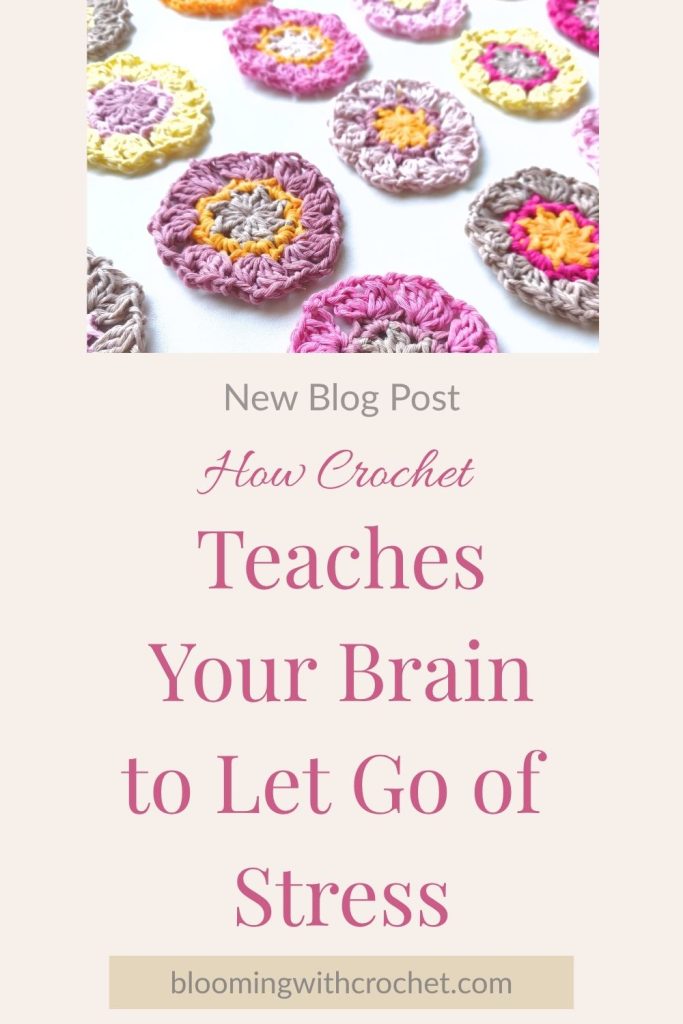
    Why Focus Matters More Than You Think

    As a psychologist, I’ve seen one common thread in people struggling with stress: their attention is scattered. They live in tomorrow’s problems or yesterday’s regrets, rarely in the present moment. This constant mental “time travel” fuels anxiety.

    Crochet interrupts that pattern. It gently forces your brain to do one thing at a time. You can’t overthink and count stitches at the same time—your mind chooses, and the act of crocheting wins. This single-task focus pulls you out of the storm of thoughts and anchors you in the here and now.

    The Science Behind the Calm

    When you focus on something repetitive and hands-on, like making stitches, you activate your parasympathetic nervous system—the part of your body responsible for rest and recovery. Your heart rate slows. Your breathing evens out. Your brain shifts from “fight or flight” to “safe and grounded.” Even a few minutes of mindfulness crochet can shift your focus away from anxious thoughts.

    This isn’t just theory—research backs it up. A large-scale study called Happy Hookers surveyed over 8,000 crocheters in 87 countries, showing that 89.5 % felt calmer, 82 % happier, and 74.7 % more useful after crocheting (PubMed).

    And it’s not just the repetition. The textures, colors, and small accomplishments of crochet engage your senses. This is what we call sensory grounding—your mind and body working together to stay present. This combination creates a therapeutic effect similar to mindfulness meditation, but with the bonus of having something beautiful to show for your time. Practicing mindfulness crochet regularly can become a simple yet powerful routine for managing daily stress and improving emotional balance. According to The Guardian, the rhythmic, repetitive motions of activities like crochet are proven to have therapeutic benefits, improving mental health and emotional wellbeing (The Guardian).

    How Mindfulness Crochet Trains Your Brain

    Think of crocheting as a gentle workout for your attention. In fact, every time you count stitches, adjust your grip, or choose a new color, you’re practicing deliberate focus. Over time, this focus gradually becomes a skill you can use in other areas of life—whether it’s managing stress at work, calming yourself in moments of anxiety, or simply enjoying a quiet cup of tea without your mind racing. As a result, mindfulness crochet helps you combine creativity with calm, training your attention one stitch at a time.

    How to Start Your Mindfulness Crochet Practice

    If you’re new to crochet, don’t overcomplicate it. To begin, start with something simple, like a small square. Then, set aside 10–15 minutes in a quiet space. As you work, pay attention to the feel of the yarn, the movement of your hands, and your breathing. If your mind wanders (and it will), gently bring it back to your stitches. This isn’t about perfection—it’s about presence. In fact, the benefits of crochet for stress relief go beyond creating beautiful pieces—they reshape how your brain handles pressure.

    If you’re unsure where to begin, check out How to Quickly Learn the Basics for simple guidelines that will help you start your journey toward calm.

    Final Thoughts:

    Stress won’t disappear overnight. But every stitch you make is a step toward balance—a way of teaching your mind to slow down and simply be. Crochet isn’t just a hobby. It’s a quiet rebellion against the chaos of modern life. Moreover, with each row, you’re not just making something with your hands—you’re rebuilding calm in your mind.

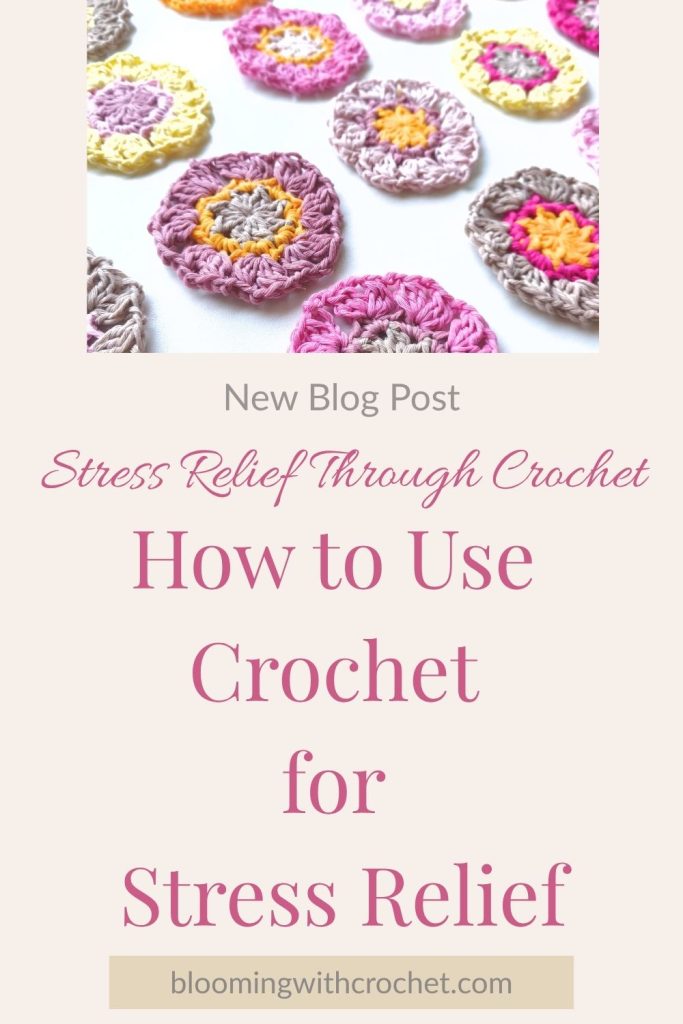
  • Stress Relief Through Crochet

    Stress Relief Through Crochet

    Crochet for stress relief isn’t just a hobby — it’s a gentle way to bring your mind and body back to balance. When you sit down to crochet, you’re not just making loops with yarn — you’re quietly inviting your body to slow down. The gentle, repetitive motion of your hands becomes like a soft rhythm your nervous system can follow. As a result, as the hook glides through the yarn, your breathing naturally deepens, your shoulders slowly drop, and the tension you didn’t even realize you were holding begins to ease. Ultimately, this is your parasympathetic nervous system at work — quietly telling every part of you: You are safe. You can rest now.

    How Crochet for Stress Relief Works

    When you’re under stress, your body quickly flips a switch into “fight or flight” mode. Consequently, your sympathetic nervous system floods your body with cortisol and adrenaline. As a result, your heart rate speeds up, your breathing becomes shallow, your muscles tense, and your mind spins in overdrive — preparing you to handle danger. However, most of our “dangers” today aren’t wild animals — they’re overflowing inboxes, constant worries, and the endless noise of daily life. Ultimately, staying in this state for too long keeps you on high alert, leaving you exhausted and mentally drained.

    Crocheting helps you activate the parasympathetic nervous system — often called the “rest and digest” mode. This system slows your heart rate, deepens your breathing, relaxes tense muscles, and tells your brain it’s safe to let go. In short, crochet creates the perfect environment for your body to shift out of survival mode and into calm.

    Stress Relief Through Crochet

    Crochet adds an extra layer of calm. Why?

    • Predictable rhythm: Loop after loop, stitch after stitch — there’s no chaos here. Your hands know the movement, and your mind can rest in the pattern.
    • Sensory grounding: The feel of yarn, the sound of your hook, the gentle tension of stitches — all of these sensations bring you back to the present moment, away from racing thoughts.
    • A sense of progress: With each row, you’re not just calming your nervous system — you’re creating something tangible. That little spark of accomplishment releases dopamine, giving you a boost of quiet joy.

    Practical Ways to Use Crochet for Stress Relief

    Here are a few simple ways to turn your crochet time into a calming ritual:

    • Set aside just 10–15 minutes: Even short sessions can help.
    • Choose simple stitches: Basic patterns are more meditative than complex ones.
    • Create a calming space: Light a candle, play soft music, or sit by a window.
    • Focus on the rhythm: Let your hands lead and your thoughts follow.

    If you’re new to crochet, start with a small project like a simple square or scarf. (You can explore these 3 Stitches to get started!)

    Why Crochet for Stress Relief Matters

    Crocheting isn’t just a hobby — it’s a way to reset your nervous system. In a world full of noise, multitasking, and endless to-do lists, repetitive stitches offer a rare moment of quiet consistency. They give your mind a break from overthinking while your hands create something beautiful.

    Crochet for stress relief is more than self-care; it’s a gentle act of reclaiming your peace. One stitch at a time, you can shift from tension to tranquility — and create something you’re proud of along the way.


    Have you tried using crochet to calm your mind? Share your experience in the comments — your story could inspire someone else to start their own journey.

  • How Crochet Affects the Nervous System: What Science Says

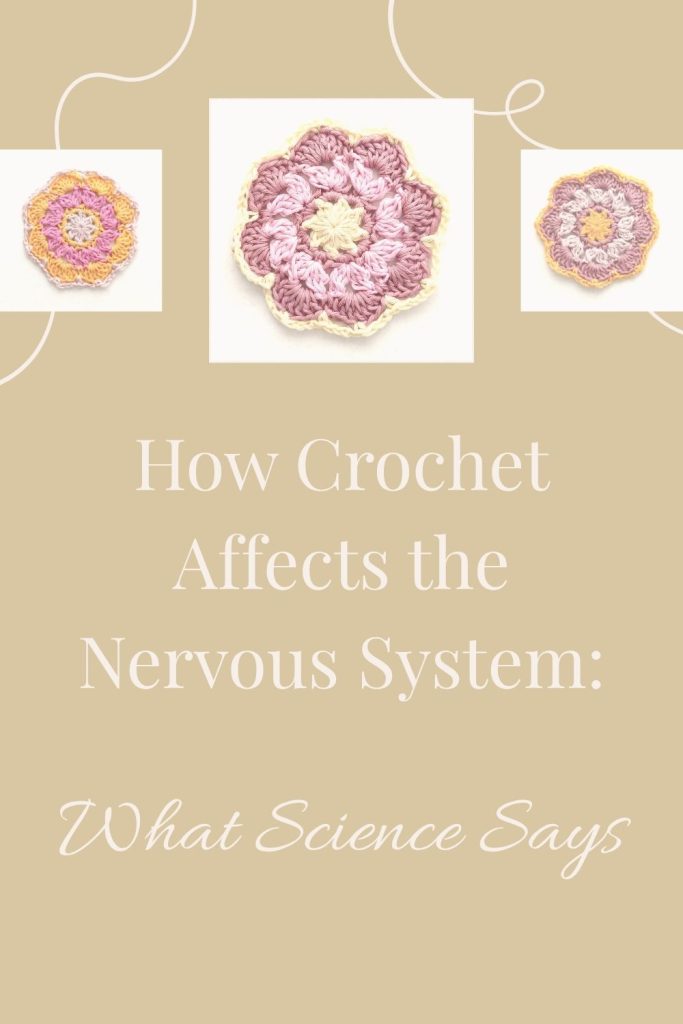
    How Crochet Affects the Nervous System: What Science Says

    Crochet and the nervous system are more connected than you might think. It isn’t just a hobby – it’s a form of gentle therapy for your mind and body. When your hands fall into the rhythm of stitch after stitch, something deeper happens inside you: your nervous system slows down, your breathing evens out, and your mind becomes quieter. And this isn’t just how it feels — research now explains why.

    Crochet and the Parasympathetic Nervous System

    Repetitive, rhythmic activities like crochet stimulate the parasympathetic nervous system — often called the “rest and digest” mode. This calms the body, lowers heart rate and blood pressure, and counters the effects of stress hormones like cortisol (Henry Ford Health). Neurologists compare this state to meditation or mindfulness practices, where the brain moves into a “flow state” — a natural mental reset that promotes emotional balance.

    If you’re new to crochet and want to experience these calming effects, start with our crochet for beginners guide.

    What the Numbers Say

    The mental health benefits of crochet aren’t just anecdotal. One of the largest surveys on this topic, with 8,391 participants from 87 countries, found that 89.5% of crocheters felt calmer, 82% felt happier, and 74.7% felt more useful after crocheting (Burns & Van Der Meer, 2021). Even more impressive, the study recorded a jump in average mood score from 4.19 to 5.78 on a 7‑point scale after a crochet session — a statistically significant change.

    Another study reported that 85% of people felt more relaxed, 81% experienced less tension, and 57% reported reduced anxiety thanks to crochet (University of Wollongong study). These numbers echo what many of us already know intuitively — crochet has the power to soothe both body and mind.

    How Crochet Affects the Nervous System: What Science Says

    A Mindful, Meditative Practice

    Articles in iScience Magazine and The Guardian describe crochet as a “gateway to mindfulness,” highlighting that 82% of crafters report feeling happier after creative sessions (iScience Magazine, The Guardian). This meditative state — where your thoughts quiet and your hands simply work — allows your brain to release “feel‑good” chemicals like serotonin and dopamine, helping untangle stress one loop at a time.

    Crochet as Nervous System Care

    If you’ve ever felt lighter, calmer, or more centered after picking up your hook, that’s your nervous system responding. Science is showing us what crocheters have always known: small, rhythmic movements can bring big emotional relief. So the next time life feels overwhelming, remember — each stitch you make is more than a craft. It’s a simple, powerful way to care for your mind and body.

  • 5 Crochet Mistakes (and How to Avoid Them)

    5 Crochet Mistakes (and How to Avoid Them)

    Crochet mistakes are more common than you might think. Starting your crochet journey can be exciting but also overwhelming. As a beginner, it’s natural to make errors, but recognizing and correcting them early will make your experience much smoother. In this guide, we’ll cover the five most common mistakes and how to fix them so you can crochet with confidence.

    1. Holding the Hook and Yarn Incorrectly

    One of the first challenges beginners face is finding a comfortable way to hold their hook and yarn. If you grip too tightly, your hands can tire quickly, and if you hold too loosely, your stitches may be uneven.

    How to Fix It:

    ✔ Experiment with different grips, such as the pencil grip or knife grip, to find what feels most natural.
    ✔ Keep a relaxed hold on the yarn to maintain even tension.
    ✔ Practice slow, deliberate movements until holding the hook feels comfortable.

    2. Uneven Tension in Stitches

    Tension refers to how tightly or loosely you pull your yarn while crocheting. Uneven tension can lead to stitches that are too tight and difficult to work into, or too loose, creating a sloppy appearance.

    How to Fix It:

    ✔ Maintain consistent yarn placement over your fingers.
    ✔ Practice simple stitches repeatedly to develop muscle memory.
    ✔ If your stitches are too tight, try using a larger hook; if too loose, try a smaller hook.

    3. Skipping or Adding Extra Stitches

    Many beginners unknowingly add or skip stitches, which results in uneven edges and an incorrect stitch count.

    How to Fix It: ✔ Always count your stitches at the end of each row.
    ✔ Use stitch markers to mark the first and last stitch of each row.
    ✔ Follow patterns closely, especially when learning new stitches.

    crochet mistakes for beginners

    4. Not Practicing Basic Stitches Enough

    Jumping into complex patterns too soon can lead to frustration. Mastering the basic stitches—single crochet, half-double crochet, and double crochet—will set a strong foundation for future projects.

    How to Fix It:

    ✔ Spend time practicing basic stitches before moving on to advanced techniques.
    ✔ Work on small projects like dishcloths or coasters to refine your skills.
    ✔ Follow step-by-step tutorials to reinforce stitch mechanics.

    5. Not Weaving in Ends Properly

    After finishing a project, leaving yarn ends unsecured can cause stitches to unravel over time.

    How to Fix It:

    ✔ Use a tapestry needle to weave the yarn tail back and forth through stitches.
    ✔ Avoid cutting the yarn too short—leave at least 5-6 inches for weaving.
    ✔ If needed, secure ends with a small knot to ensure durability.

    Final Thoughts

    Mistakes are a natural part of the learning process, but by identifying and correcting these common errors, you’ll build confidence and improve your skills faster. The key to successful crocheting is patience, practice, and enjoying the journey!

    For more crochet stitch guides and tutorials, check out Yarnspirations.

    For more beginner-friendly crochet tutorials, expert tips, and inspiration, download our PDF book, Squares of Serenity, featuring 5 beginner-friendly crochet square patterns and guided instructions.

    Happy Crocheting! 🧶

  • How to Hold Your Needle and Thread Comfortably for Effortless Crocheting

    Mastering how to hold your needle and thread comfortably is one of the most important skills for beginner crocheters. The right grip ensures smooth stitches, reduces hand fatigue, and allows you to crochet for longer periods without discomfort. In this guide, we’ll explore the best ways to hold your crochet hook and yarn, helping you find a technique that works for you.

    Why Proper Needle and Thread Holding Matters

    Holding your needle and thread the right way is key to: ✔ Preventing hand cramps and strain.
    ✔ Maintaining even tension in your stitches.
    ✔ Improving speed and efficiency while crocheting.
    ✔ Making the learning process smoother and more enjoyable.

    Common Ways to Hold Your Crochet Hook

    There are two primary ways to hold a crochet hook:

    1. The Pencil Grip

    • Hold your crochet hook as if you were holding a pencil.
    • Your thumb and index finger grip the hook while the rest of your fingers provide support.
    • This method gives great control and is preferred by those who enjoy detailed, precise work.

    2. The Knife Grip

    • Hold your crochet hook like you would hold a knife when cutting food.
    • Your thumb and index finger grip the hook from above, while your other fingers rest underneath for stability.
    • This method provides more leverage, making it easier to crochet with thicker yarns.

    Best Ways to Hold Your Yarn for Even Tension

    Once you’ve found a comfortable grip for your crochet hook, the next step is learning how to hold your yarn. Here are a few common techniques:

    1. Over-the-Finger Method

    • Loop the yarn over your index finger to control tension.
    • This method is great for consistent, even stitches.

    2. Under-the-Finger Method

    • Hold the yarn under your fingers and let it slide through your palm.
    • This technique works well for those who prefer a looser tension.

    3. Wrap-and-Guide Method

    • Wrap the yarn around your pinky finger before threading it through your other fingers.
    • This provides excellent control, preventing the yarn from slipping too quickly.

    Tips for Reducing Hand Fatigue

    To crochet comfortably for longer periods, follow these tips: ✔ Take breaks every 30–45 minutes to stretch your hands.
    ✔ Keep a relaxed grip—don’t hold the hook or yarn too tightly.
    ✔ Use an ergonomic crochet hook for added comfort.
    ✔ Maintain good posture and keep your wrists in a neutral position.

    Unlock More Crochet Techniques with Our Free PDF Book: “Squares of Serenity”

    Want to improve your crochet skills even further? Download our PDF book, Squares of Serenity, featuring 5 beginner-friendly crochet square patterns, expert tips, and inspirational short stories that reflect the journey of renewal and inner peace through crochet.

    By mastering how to hold your crochet hook and yarn comfortably, you’ll be well on your way to creating beautiful projects with ease. Keep practicing, stay patient, and most importantly—enjoy the process!

    Happy Crocheting! 🧶

  • These 3 Stitches Are a Must-Know for Every Crocheter

    These 3 Stitches Are a Must-Know for Every Crocheter

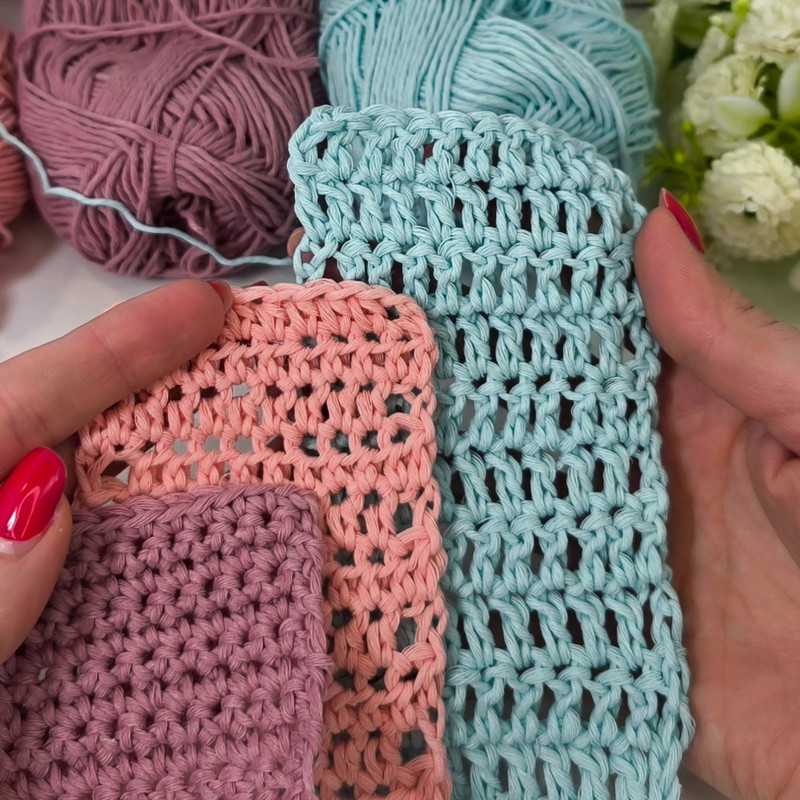
    These 3 stitches are the foundation of almost every crochet project, giving you endless possibilities for creativity and design. Whether you’re just starting to crochet or already have experience, learning the single crochet (SC), half-double crochet (HDC), and double crochet (DC) will set you up for success. These essential stitches provide versatility in texture, structure, and style, making them a must-know for any crocheter. Below, we’ll give you an overview of each stitch and provide links to in-depth guides to help you perfect your technique.

    These 3 Stitches Are a Must-Know for Every Crocheter

    1. Single Crochet (SC) – First of These 3 Stitches

    Single Crochet

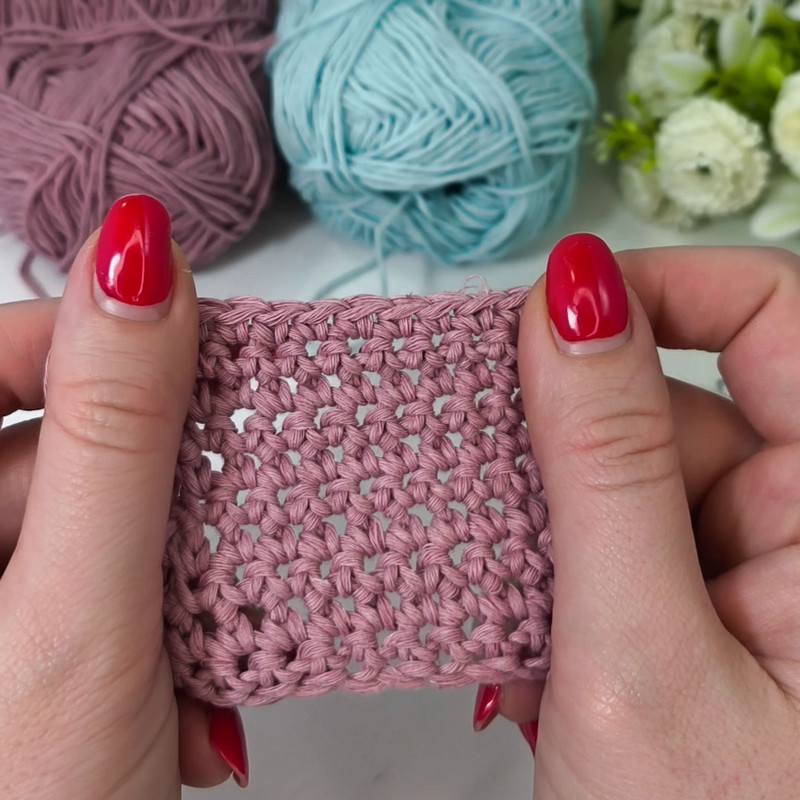
    The single crochet stitch (SC) is the simplest and most compact of the three. It creates a tight, dense fabric that is perfect for sturdy projects such as washcloths, amigurumi, and blankets. This stitch is ideal for beginners due to its ease of execution and structured appearance.

    ➡️ Read the full guide: How to Master the Single Crochet Stitch


    2. Half-Double Crochet (HDC)

    Half-Double Crochet

    The half-double crochet stitch (HDC) is a great middle ground between the single and double crochet stitches. It offers a balance of flexibility and structure, making it ideal for garments and soft textures. With its slightly taller and looser stitch pattern, it works well for hats, scarves, and baby items.

    ➡️ Read the full guide: How to Master the Half-Double Crochet Stitch


    3. Double Crochet (DC)

    Double Crochet

    The double crochet stitch (DC) is one of the most commonly used stitches in crochet. It is taller and more open than the previous two stitches, making it perfect for lacework, blankets, and fast-growing projects. The DC stitch allows for quicker project completion while maintaining a structured look.

    ➡️ Read the full guide: How to Master the Double Crochet Stitch


    Final Thoughts

    Mastering these three fundamental stitches—single crochet, half-double crochet, and double crochet—will set you up for success in countless crochet projects. Whether you’re creating sturdy amigurumi, soft scarves, or beautiful lace patterns, these stitches provide the perfect foundation for your crochet journey.

    For more crochet tutorials, beginner-friendly patterns, and inspiration, visit our blog Blooming with Crochet!

    Happy Crocheting! 🧶

  • Double Crochet Stitch: Mastering the Basics for Beginners

    Double Crochet Stitch: Mastering the Basics for Beginners

    Crochet is an enriching and creative craft, and mastering its essential stitches is key to expanding your skillset. The double crochet (DC) stitch is one of the most commonly used stitches in crochet patterns. Therefore, learning it will open the door to countless projects. It is taller than the single and half-double crochet stitches, making it a great choice for projects that require a bit more height and flexibility. In this guide, you’ll learn how to work the double crochet stitch, avoid common mistakes, and explore the many ways you can use it in your crochet projects.

    Double Crochet Stitch: Mastering the Basics for Beginners

    What is a Double Crochet Stitch?

    The double crochet (DC) is a fundamental crochet stitch that creates a fabric that is slightly more open and flexible than single or half-double crochet. Because of its height and versatility, it’s often used in beginner crochet blankets, scarves, garments, and lacework. The DC stitch allows for quicker project completion while still maintaining a structured appearance.

    Materials Needed

    To practice double crochet, you’ll need the following materials:

    • Yarn – Medium-weight yarn is recommended for beginners.
    • Crochet Hook – A 5.0 mm (H-8) hook works well with most worsted-weight yarns.
    • Scissors – To trim your yarn when necessary.
    • Tapestry Needle – Helpful for weaving in yarn ends neatly.

    How to Make a Double Crochet Stitch

    Follow these step-by-step instructions to create a smooth and even double crochet stitch:

    Start with a Foundation Chain

    • Begin by making a chain of any number of stitches. Next, add an extra three chains to serve as the turning chain.

    Yarn Over (YO)

    • Wrap the yarn over your crochet hook before inserting it into the stitch.

    Insert Your Hook

    • Then, skip the first three chains from the hook and insert your hook into the fourth chain.

    Yarn Over and Pull Through

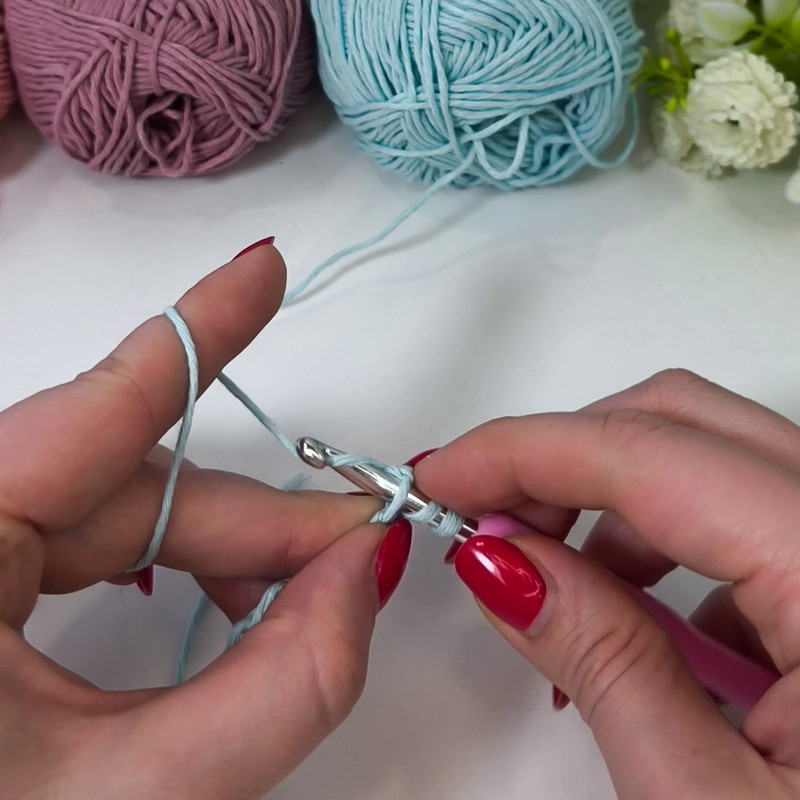
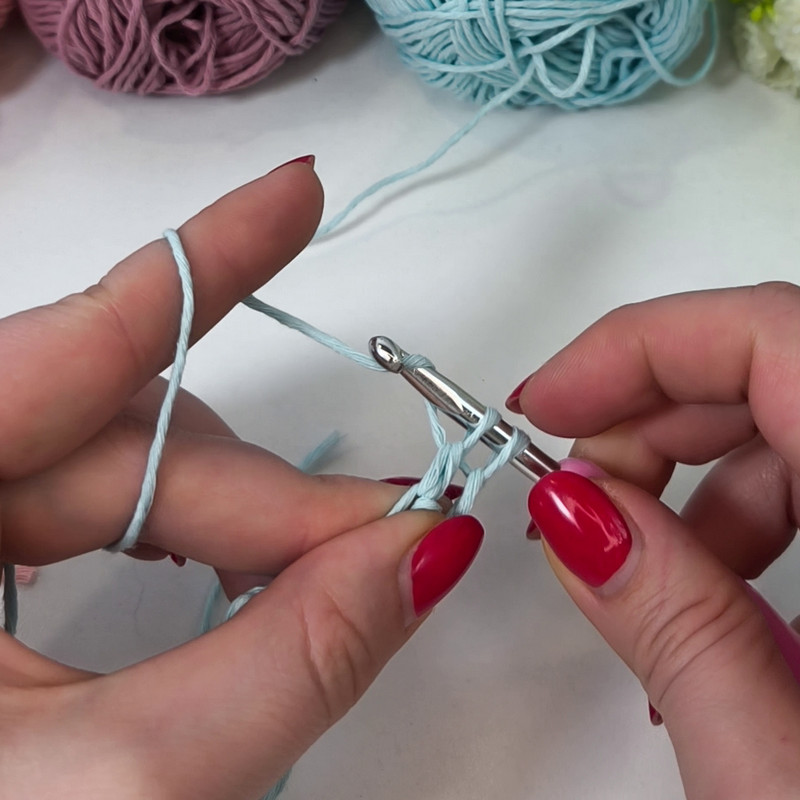
    • Wrap the yarn over the hook again and pull it through the stitch. You should now have three loops on your hook.

    Next, Yarn Over and Pull Through Two Loops

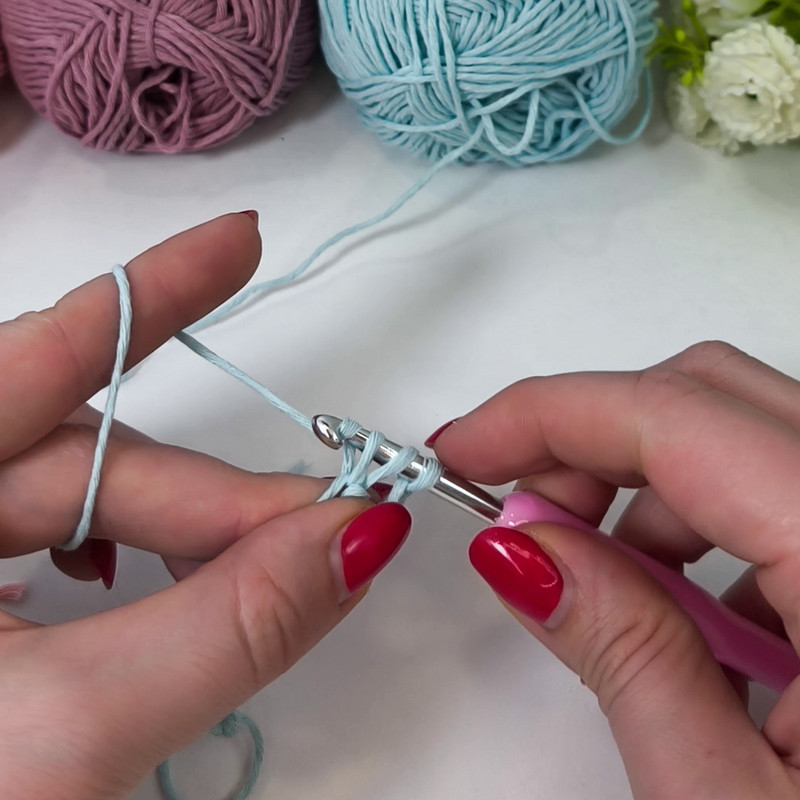
    • Wrap the yarn over once more and pull it through the first two loops on your hook. You will now have two loops remaining.

    Yarn Over and Pull Through the Last Two Loops

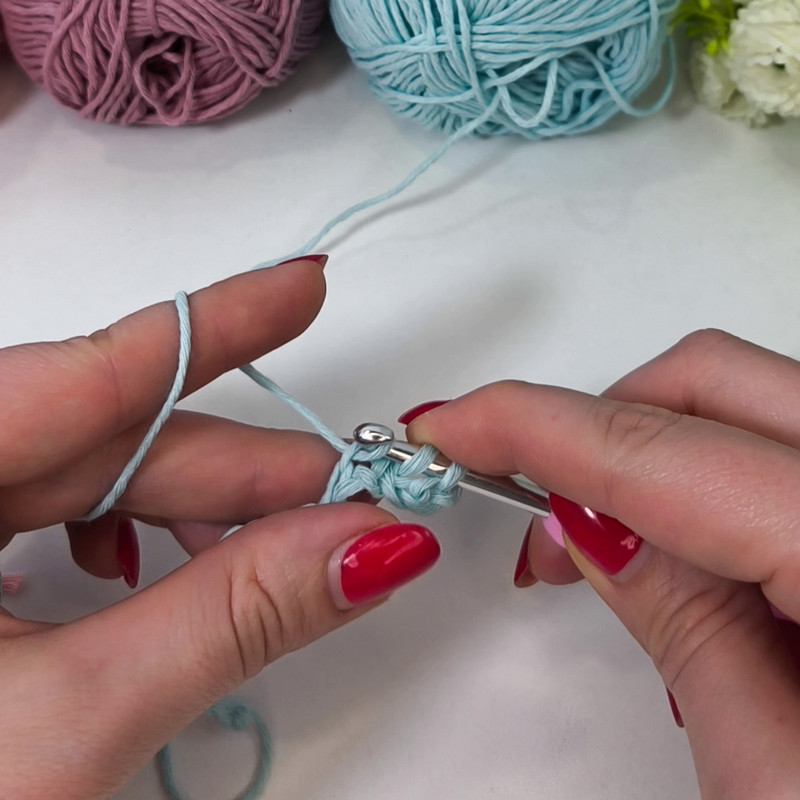
    • Wrap the yarn over once more and pull it through the remaining two loops. This completes one double crochet stitch!

    Repeat Across the Row

    • Continue inserting your hook, yarning over, and pulling through until you reach the end of the row.

    Turning Your Work

    • To start a new row, chain three (this counts as your first DC stitch), turn your work, and begin double crocheting into the next stitch.

    Common Mistakes and How to Fix Them

    • Loosely Structured Stitches – If your DC stitches appear too loose, adjust your yarn tension for a more even look.
    • Skipping Stitches – Always count your stitches at the end of each row to ensure consistency.
    • Uneven Edges – In addition, make sure you insert your hook into the correct stitch at the start and end of each row to maintain a straight edge.

    For more visual guidance, check out this YouTube search for double crochet stitch tutorials.

    Why You Should Master the Double Crochet Stitch

    The double crochet stitch is a game-changer for beginners looking to enhance their crochet abilities. It allows you to create lightweight and airy projects, making it perfect for crochet blankets for beginners, summer tops, and decorative shawls. Mastering the DC stitch will also make it easier to transition into more advanced techniques.

    Popular Uses of the Double Crochet Stitch

    • Crochet Blankets for Beginners – A great stitch for fast and soft blanket-making.
    • Garments & Sweaters – Used in lacy and structured clothing patterns.
    • Scarves & Shawls – Ideal for creating warm yet breathable accessories.
    • Granny Squares – The foundation for classic granny square projects.
    • Openwork Patterns – Frequently used in lace and mesh designs for a delicate effect.

    Next Steps in Your Crochet Journey

    Now that you’ve learned the double crochet stitch, you can explore even more advanced techniques such as the single crochet and half-double crochet. As a result, your projects will become more creative and versatile.With patience and practice, you’ll be able to craft stunning handmade items that bring both comfort and creativity into your crochet journey.

    For more beginner-friendly crochet tutorials and patterns, visit our blog Blooming with Crochet!

    Happy Crocheting! 🧶

  • Half-Double Crochet Stitch: Mastering the Basics for Beginners

    Half-Double Crochet Stitch: Mastering the Basics for Beginners

    The half-double crochet stitch is one of the most versatile crochet techniques, allowing you to make everything from cozy blankets to stylish accessories. As you advance in your crochet journey, the HDC stitch is a must-learn technique. It provides a balance between the tight, compact nature of single crochet and the airy feel of double crochet. In this guide, you’ll learn everything you need to know about the hdc stitch, from step-by-step instructions to common uses and troubleshooting tips.

    Half-Double Crochet Stitch

    What is a Half-Double Crochet Stitch?

    The HDC is a versatile stitch that creates a slightly taller and looser fabric compared to single crochet, yet denser than double crochet. It’s widely used for beginner crochet blankets, textured scarves, beanies, and baby items. This stitch is ideal for those who want a quicker, more flexible stitch without losing structure.

    Materials Needed

    Before you start practicing half-double crochet, ensure you have the following materials:

    • Yarn – Medium-weight yarn is a great choice for beginners.
    • Crochet Hook – A 5.0 mm (H-8) hook works well for most worsted-weight yarns.
    • Scissors – To trim the yarn as needed.
    • Tapestry Needle – Useful for weaving in yarn ends.

    How to Make a Half-Double Crochet Stitch

    Follow these simple steps to create a neat and even half-double crochet stitch:

    Start with a Foundation Chain

    • Begin by chaining any number of stitches. Add an extra two chains to serve as the turning chain.
    Half-Double Crochet Stitch

    Yarn Over (YO)

    • Wrap the yarn over your crochet hook before inserting it into the stitch.
    Half-Double Crochet Stitch

    Insert Your Hook

    • Skip the first two chains from the hook and insert your hook into the third chain.
    Half-Double Crochet Stitch

    Yarn Over and Pull Through

    • Wrap the yarn over the hook again and pull it through the stitch. You should now have three loops on your hook.

    Yarn Over and Pull Through All Loops

    • Wrap the yarn over once more and pull it through all three loops on the hook. You have now completed one half-double crochet stitch!

    Repeat Across the Row

    • Continue inserting your hook, yarning over, and pulling through all loops until you reach the end of the row.

    Turning Your Work

    • To begin a new row, chain two (this does not count as a stitch), turn your work, and start the next row by working into the first stitch.

    Common Mistakes and How to Fix Them

    • Uneven Tension – If your stitches are too tight, try relaxing your grip on the yarn; if they’re too loose, adjust your tension for consistency.
    • Skipping Stitches – Always count your stitches at the end of each row to maintain an even width.
    • Gaps in Fabric – Ensure you insert your hook into the correct stitch to prevent uneven spacing.

    For more visual guidance, check out this YouTube search for half-double crochet stitch tutorials.

    Why You Should Master the Half-Double Crochet Stitch

    This stitch is a game-changer for beginners because it allows you to create projects faster while still providing a structured look. Whether you’re working on crochet blankets for beginners, warm winter accessories, or soft baby garments, the HDC stitch helps you craft items with both flexibility and durability.

    Popular Uses of the Half-Double Crochet Stitch

    • Beginner-Friendly Crochet Blankets – A great stitch for achieving a soft yet structured texture.
    • Hats and Beanies – Ideal for making snug, stretchy headwear.
    • Scarves and Shawls – The perfect balance between warmth and drape.
    • Baby Clothing and Accessories – Soft, flexible, and great for delicate projects.
    • Textured Patterns – Can be used in combination with other stitches to create unique designs.

    Next Steps in Your Crochet Journey

    Now that you’ve learned the half-double crochet stitch, you can explore more advanced techniques such as the double crochet (DC) and single crochet (sc) stitches. With continued practice, your crochet skills will flourish, allowing you to craft stunning handmade items that bring both beauty and relaxation to your life.

    For more beginner-friendly crochet tutorials and patterns, visit our blog Blooming with Crochet!

    Happy Crocheting! 🧶

  • Single Crochet Stitch: Mastering the Basics for Beginners

    Single Crochet Stitch: Mastering the Basics for Beginners

    Crochet is a soothing and rewarding craft, especially for beginners looking to create something beautiful with their hands. If you’re just starting your crochet journey, one of the first stitches you need to master is the single crochet stitch (SC). This stitch is a fundamental building block for countless projects, from cozy blankets to stylish accessories. In this guide, you’ll learn everything you need to know about single crochet, including how to work it step by step, common mistakes to avoid, and why it’s an essential part of your crochet skills.

    What is a Single Crochet Stitch?

    The single crochet (SC) is one of the simplest and most widely used crochet stitches. It creates a firm, dense fabric, making it perfect for projects that require structure, such as beginner crochet blankets, washcloths, and amigurumi. This stitch is a favorite among beginners because it’s easy to learn, versatile, and provides a clean, polished look.

    Materials Needed

    Before getting started, make sure you have the right tools:

    • Yarn – A smooth, medium-weight yarn is best for beginners.
    • Crochet Hook – A 5.0 mm (H-8) hook works well for most worsted-weight yarns.
    • Scissors – To trim the yarn when needed.
    • Tapestry Needle – Useful for weaving in ends.

    How to Make a Single Crochet Stitch

    Follow these step-by-step instructions to create a perfect single crochet stitch:

    Start with a Foundation Chain

    • Begin by making a chain of any number of stitches. Add one extra chain for turning.

    Insert Your Hook

    • Skip the first chain from the hook and insert your crochet hook into the second chain.

    Yarn Over (YO) and Pull Through

    • Wrap the yarn over the hook and pull it through the chain stitch. You should now have two loops on your hook.

    Yarn Over Again and Complete the Stitch

    • Wrap the yarn over the hook once more and pull it through both loops on the hook.

    Repeat Across the Row

    • Continue inserting your hook, yarning over, and pulling through both loops until you reach the end of the row.

    Turning Your Work

    • To start a new row, chain one (this does not count as a stitch), turn your work, and begin single crocheting into each stitch across.

      Common Mistakes and How to Fix Them

      • Tension Issues – If your stitches are too tight, try loosening your grip on the yarn. If they’re too loose, adjust your yarn tension for a more even look.
      • Skipping Stitches – Always count your stitches at the end of each row to ensure consistency.
      • Uneven Edges – Make sure to insert your hook into the correct stitch at the beginning and end of each row to keep the edges straight.

      Why You Should Master the Single Crochet Stitch

      The single crochet stitch is more than just a basic stitch—it’s an essential skill that allows you to work on a wide variety of crochet projects. Whether you’re creating beginner-friendly crochet blankets, textured scarves, or simple dishcloths, mastering the SC stitch gives you the foundation needed to tackle more advanced patterns.

      For more visual guidance, check out this YouTube search for single crochet stitch tutorials.

      Popular Uses of the Single Crochet Stitch

      • Beginner Crochet Blankets – Provides a solid and structured base for simple and cozy projects.
      • Amigurumi (Crochet Toys) – The tight, dense fabric prevents stuffing from showing through.
      • Washcloths & Dishcloths – Great for making durable and absorbent kitchen essentials.
      • Simple Crochet Accessories – From scarves to beanies, SC is often used in quick and easy patterns.
      • Textured Crochet Patterns – When combined with other stitches, SC helps create interesting textures.

      Next Steps in Your Crochet Journey

      Now that you’ve mastered the single crochet stitch, you can explore more advanced techniques such as the half-double crochet (HDC) and double crochet (DC) stitches. With practice, patience, and creativity, you’ll soon be making stunning crochet pieces that bring both beauty and serenity to your craft.

      For more beginner-friendly crochet tutorials and patterns, visit our blog Blooming with Crochet!

      Happy Crocheting! 🧶

    1. Mastering the Basics of Crochet: Chain Stitch (ch)

      Crochet is a beautiful and meditative craft that begins with mastering its fundamental stitches. The most essential and foundational stitch in crochet is the chain stitch (ch). Whether you are a complete beginner or refreshing your skills, understanding how to create a clean and even chain stitch will set the groundwork for all your future crochet projects.

      What is a Chain Stitch?

      The chain stitch, often abbreviated as ch, is the most basic crochet stitch. It forms a simple looped foundation that serves as the starting point for nearly every crochet project. Chain stitches are used to create the base row of many patterns, provide spacing in designs, and are essential for building more complex stitches.

      Materials Needed

      To practice chain stitches, you will need:

      • Yarn – Choose a smooth, medium-weight yarn (such as worsted weight) for easy handling.
      • Crochet Hook – A hook size that matches your yarn (for beginners, a size 5.0 mm [H-8] is a good starting point).
      • Scissors – For trimming the yarn when needed.

      How to Make a Chain Stitch

      Follow these step-by-step instructions to create a clean and even chain stitch:

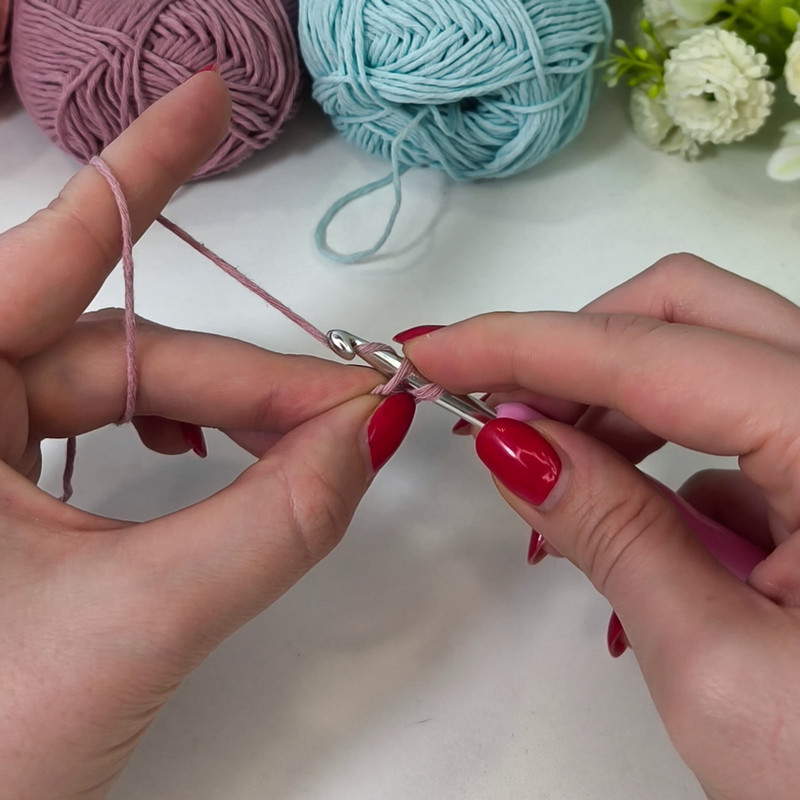
      1. Make a Slip Knot
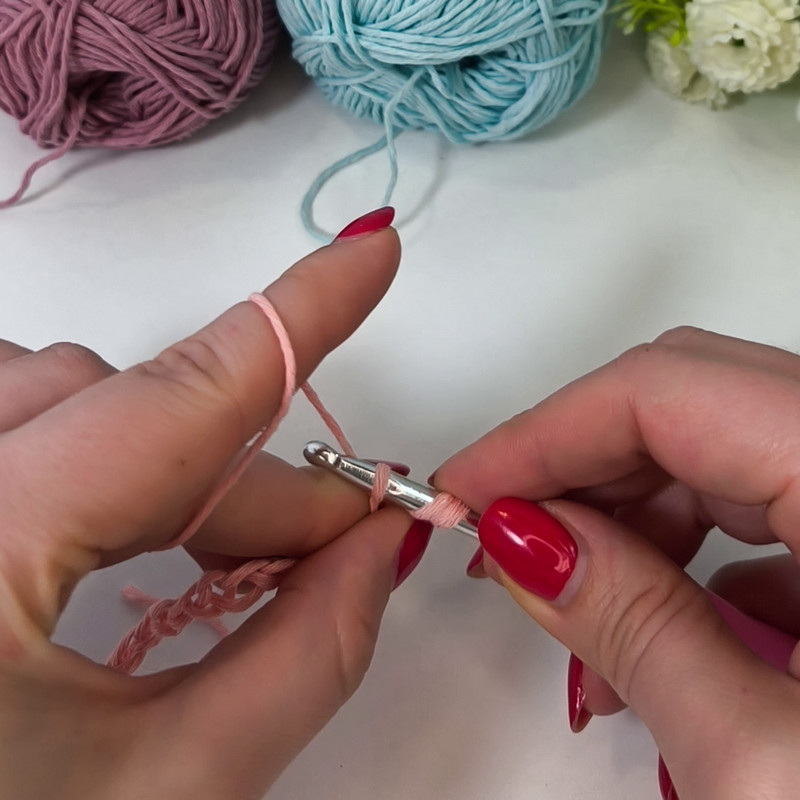
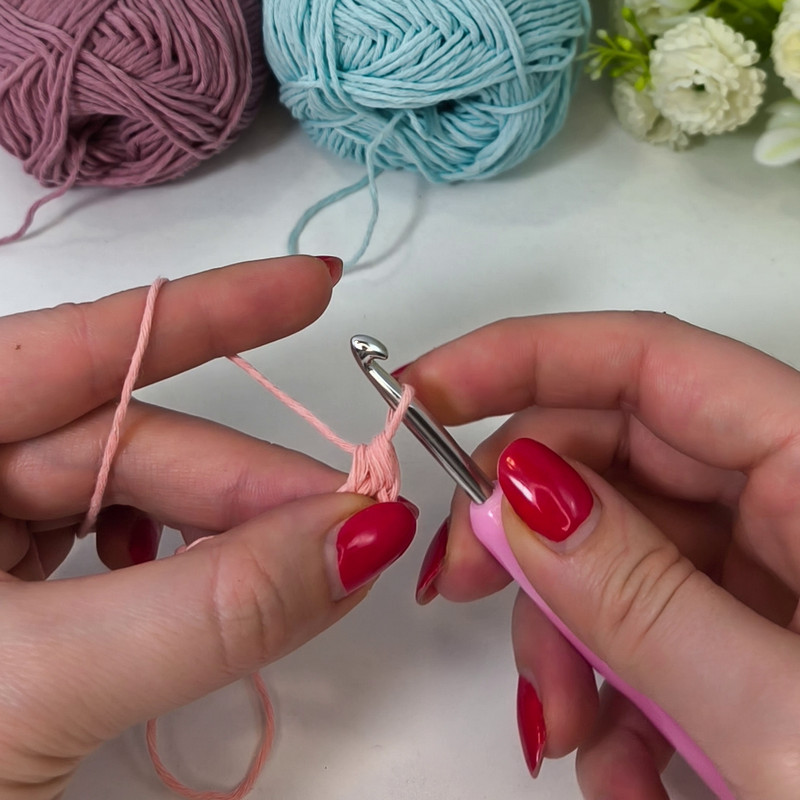
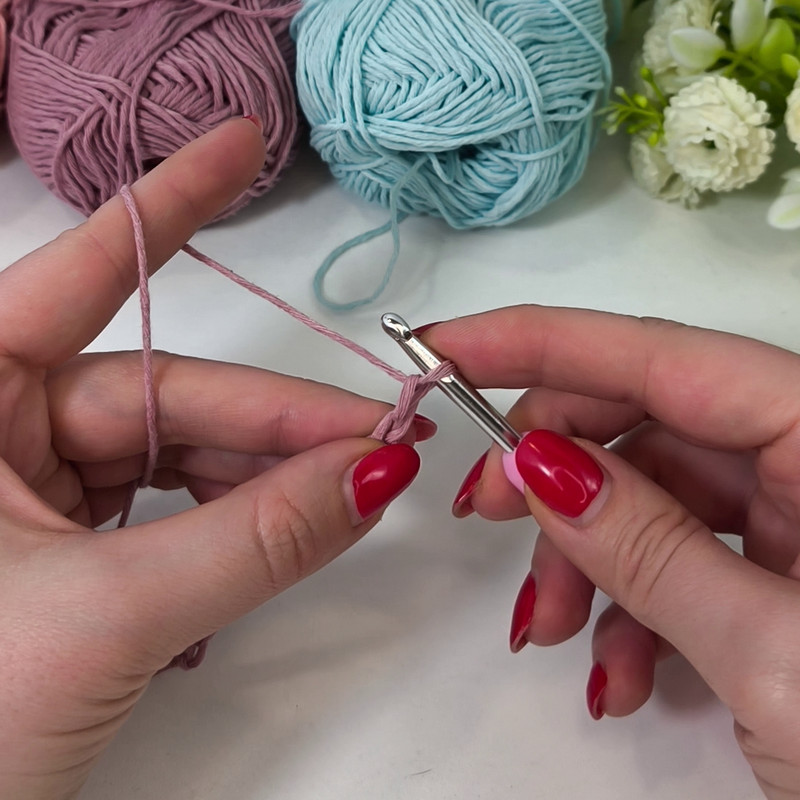
        • Begin by creating a slip knot and placing it onto your crochet hook. Tighten it slightly so that it moves freely on the hook but is not too tight.
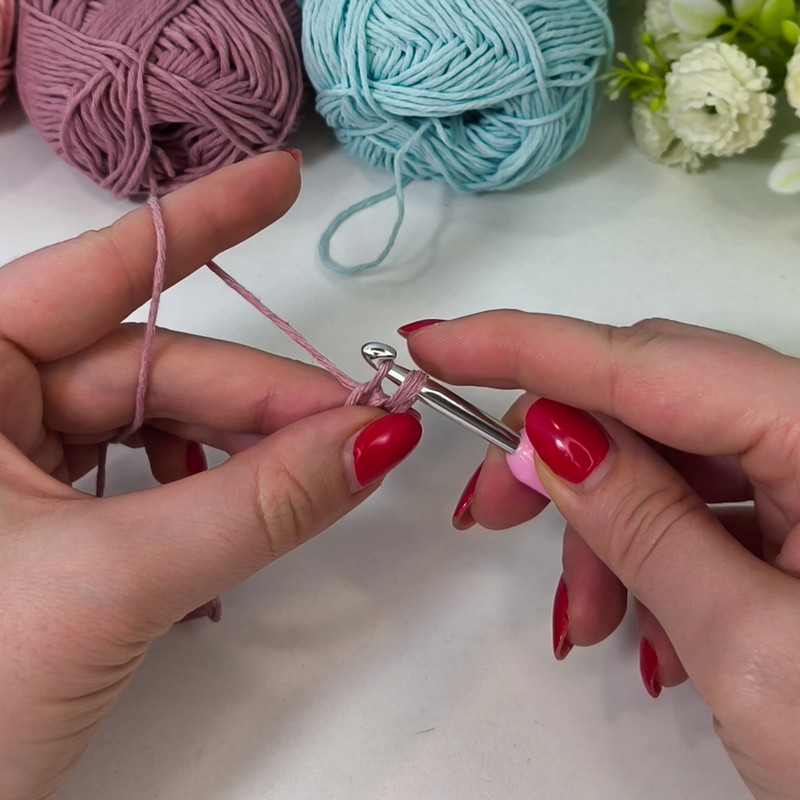
      2. Hold Your Yarn
        • Wrap the yarn around your fingers to maintain tension and control. This helps keep your stitches even.
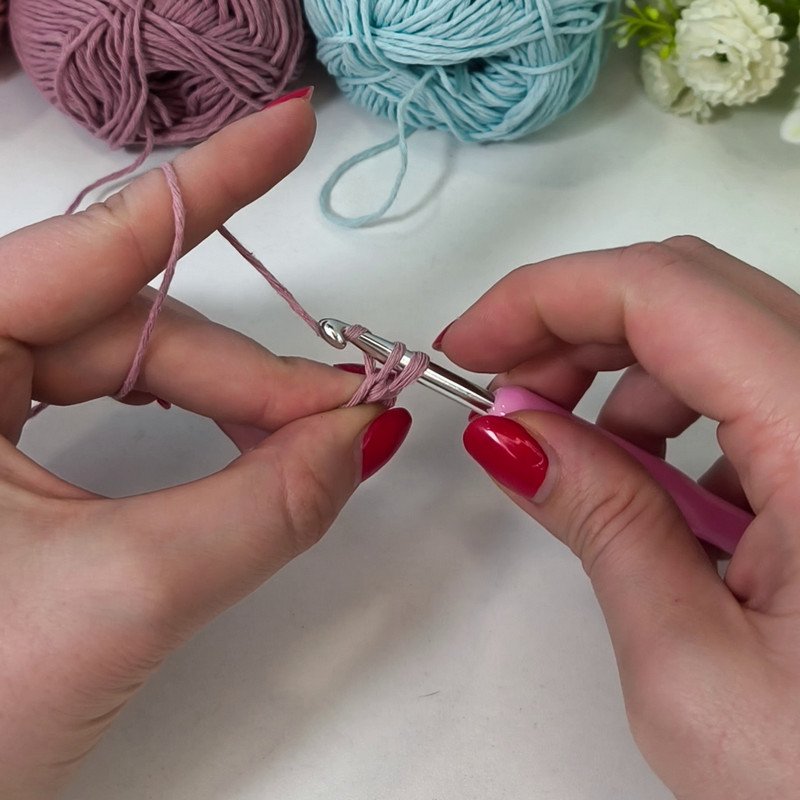
      3. Yarn Over (YO)
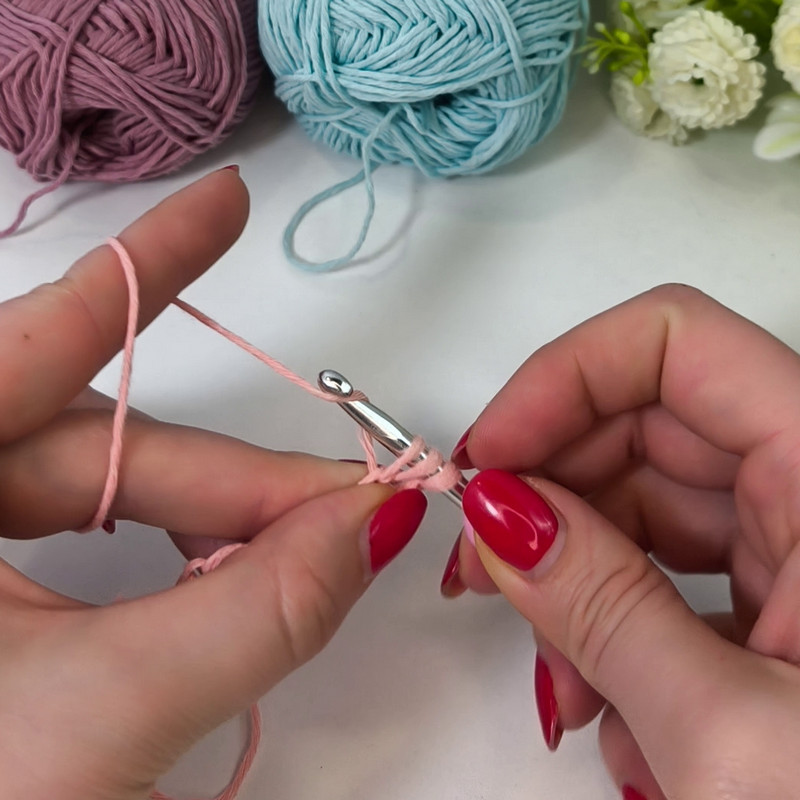
        • Wrap the yarn over the crochet hook from back to front.
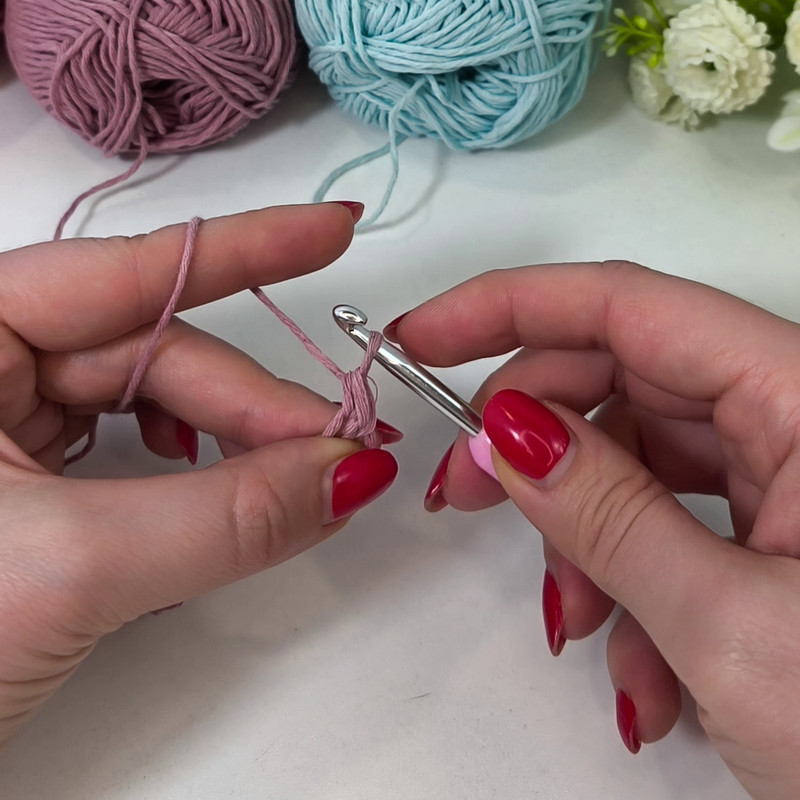
      4. Pull Through
        • Use the hook to pull the yarn through the loop already on your hook. You have now made your first chain stitch!
      5. Repeat
        • Continue steps 3 and 4 until you have created the number of chain stitches required for your project.

      Tips for a Perfect Chain Stitch

      • Keep an even tension – Too tight will make it difficult to work into, while too loose may look untidy.
      • Count your chains – This helps avoid mistakes when starting a project.
      • Practice makes perfect – The more you repeat the process, the more consistent your stitches will become.

      Common Uses of the Chain Stitch

      The chain stitch is one of the most versatile stitches in crochet, playing a crucial role in various patterns and techniques. Here are some of the most common uses:

      • Foundation Row – Most crochet projects start with a chain stitch foundation, making it essential for beginners to master.
      • Lacework & Mesh Patterns – This stitch is widely used in lace and mesh designs, creating airy, delicate fabrics perfect for shawls, curtains, and lightweight garments.
      • Decorative Borders – Chain stitches are often used in border designs, adding an elegant finishing touch to blankets, table runners, and other home decor items.
      • Connecting Stitches – Frequently used to bridge sections in more advanced crochet patterns, such as granny squares and motifs.
      • Amigurumi & 3D Shapes – Many crochet artists use chain stitches as a foundation for making curved and three-dimensional crochet pieces like flowers, toys, and accessories.
      • Tunisian Crochet – The chain stitch serves as the base row for Tunisian crochet, a technique that blends elements of crochet and knitting for a unique texture.

      Mastering the chain stitch allows crocheters to create a wide variety of projects, from simple scarves to intricate lace designs. Understanding its flexibility and multiple applications will make your crochet journey more enjoyable and fulfilling.

      Next Steps

      Once you have mastered the chain stitch, the next step in your crochet journey is learning the single crochet stitch (sc), which is the first stitch worked into the foundation chain. Stay tuned for more guides to build your crochet skills!

      Happy crocheting! 🧶